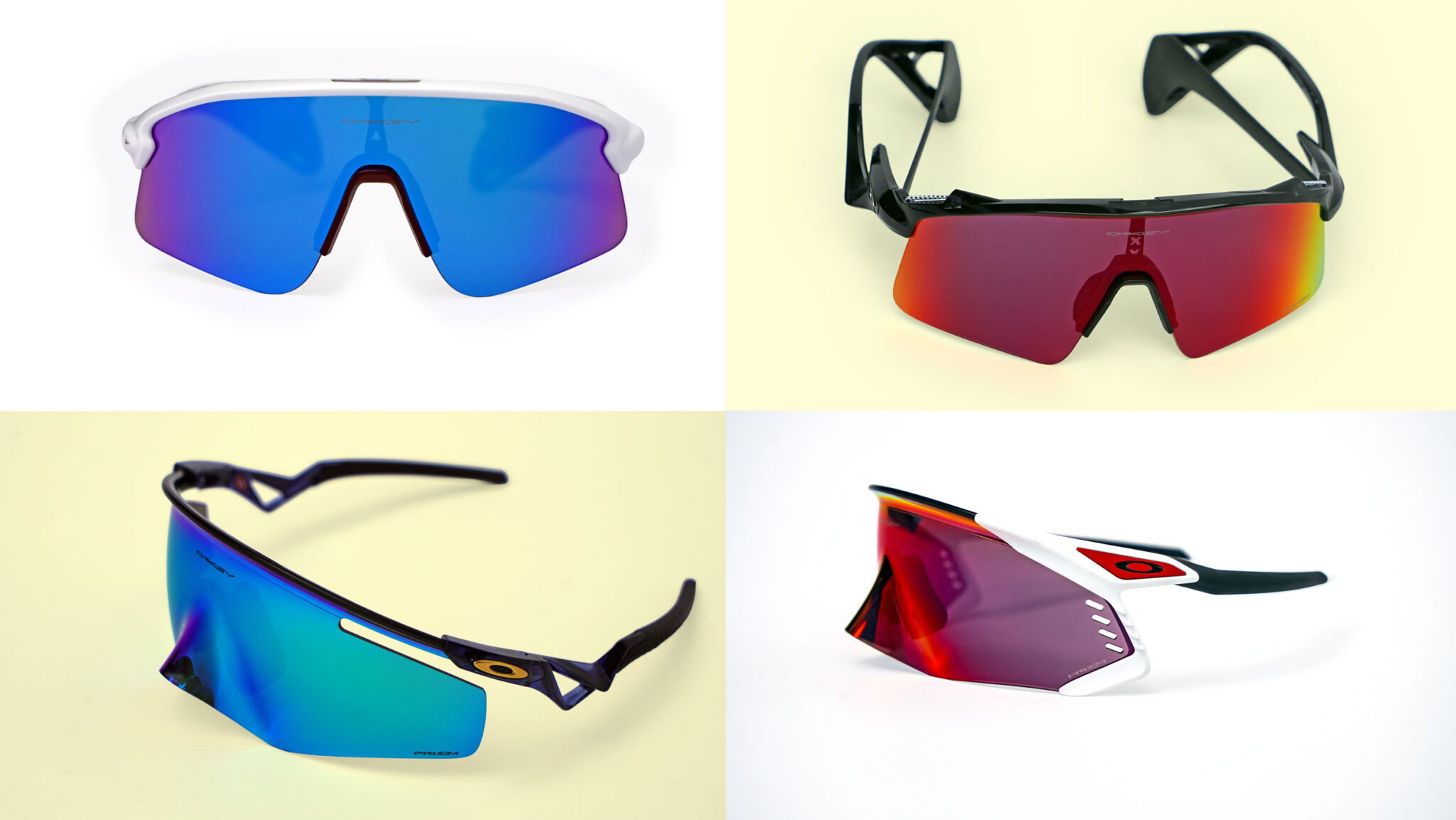
Oakley eyewear: new releases for summer 2025/2026
Get ready to ride into summer with an array of new cycling sunglasses from Oakley. Here’s some new releases from the brand that effectively created the ‘sporting eyewear’ product category. Words and photos: Rob Arnold – Note: This page will be updated over summer as new-releases come to market. – When it comes […]
Get ready to ride into summer with an array of new cycling sunglasses from Oakley. Here’s some new releases from the brand that effectively created the ‘sporting eyewear’ product category.
Words and photos: Rob Arnold
– Note: This page will be updated over summer as new-releases come to market. –
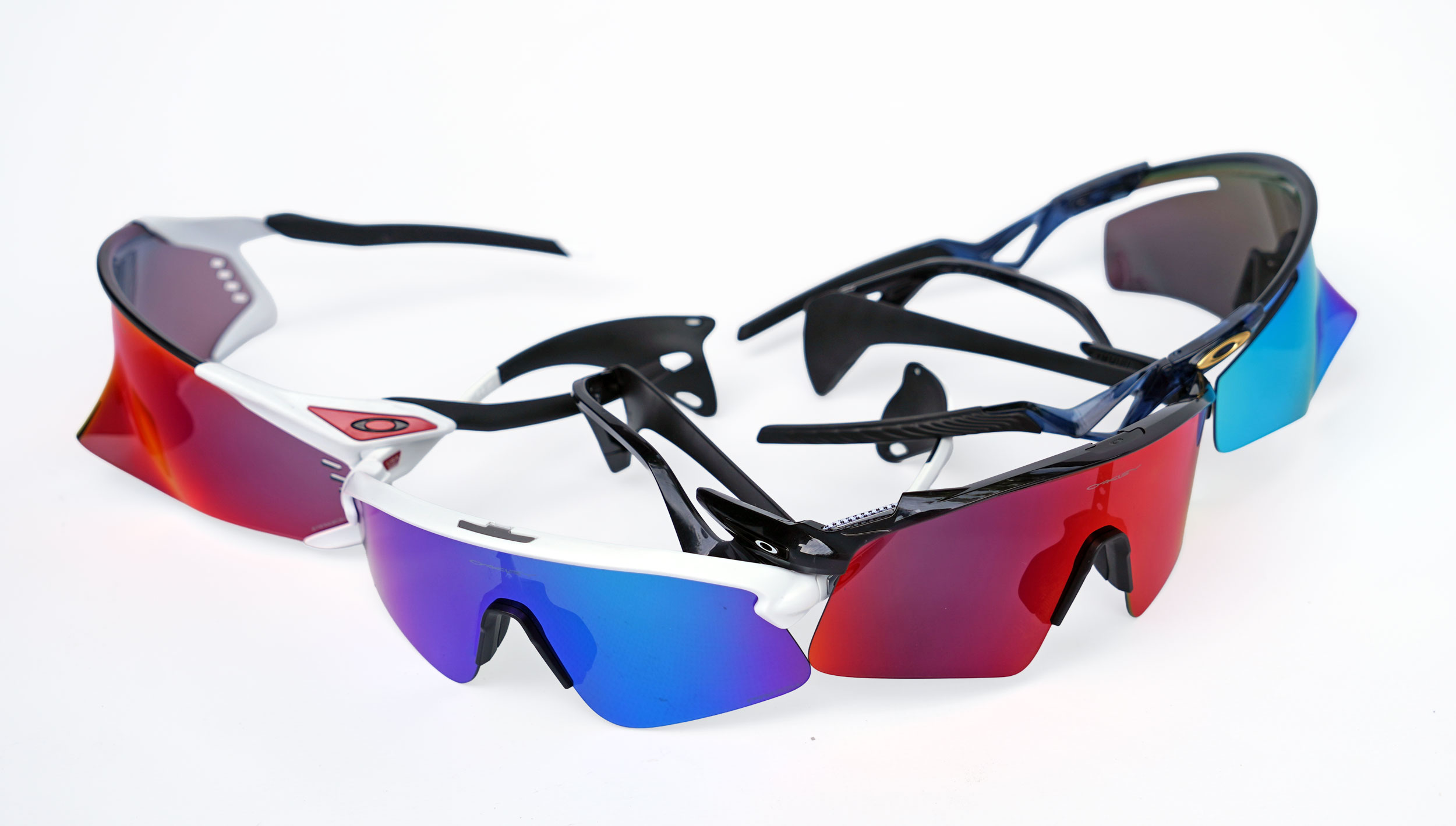
When it comes to sporting eyewear one brand has been there and done that… for decades. Oakley’s origins in this market category were actually producing goggles for motocross. Then, in the 1980s, came the early foray into other sports, and cycling was one of the first. It started with sunglasses styled on goggles: oversized shields that looked somewhat odd at the time, largely because they were different.
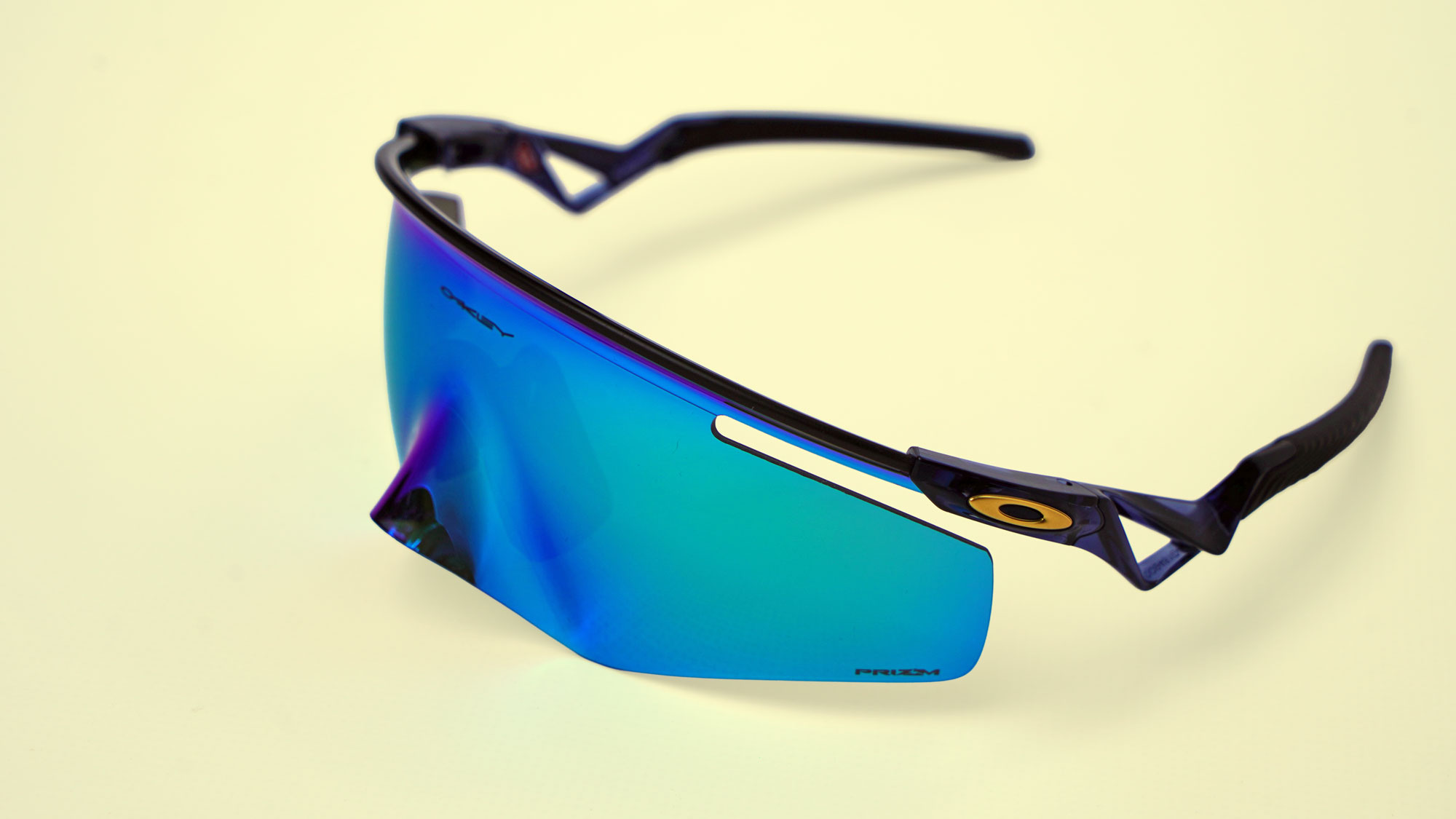
But different soon became cool. And all these years later, those original Oakley Eyeshades have become a genuine fashion statement. Only, retro-styling has become part of the sales pitch in recent years, but so too has experimentation with designs and refinement of popular styles.
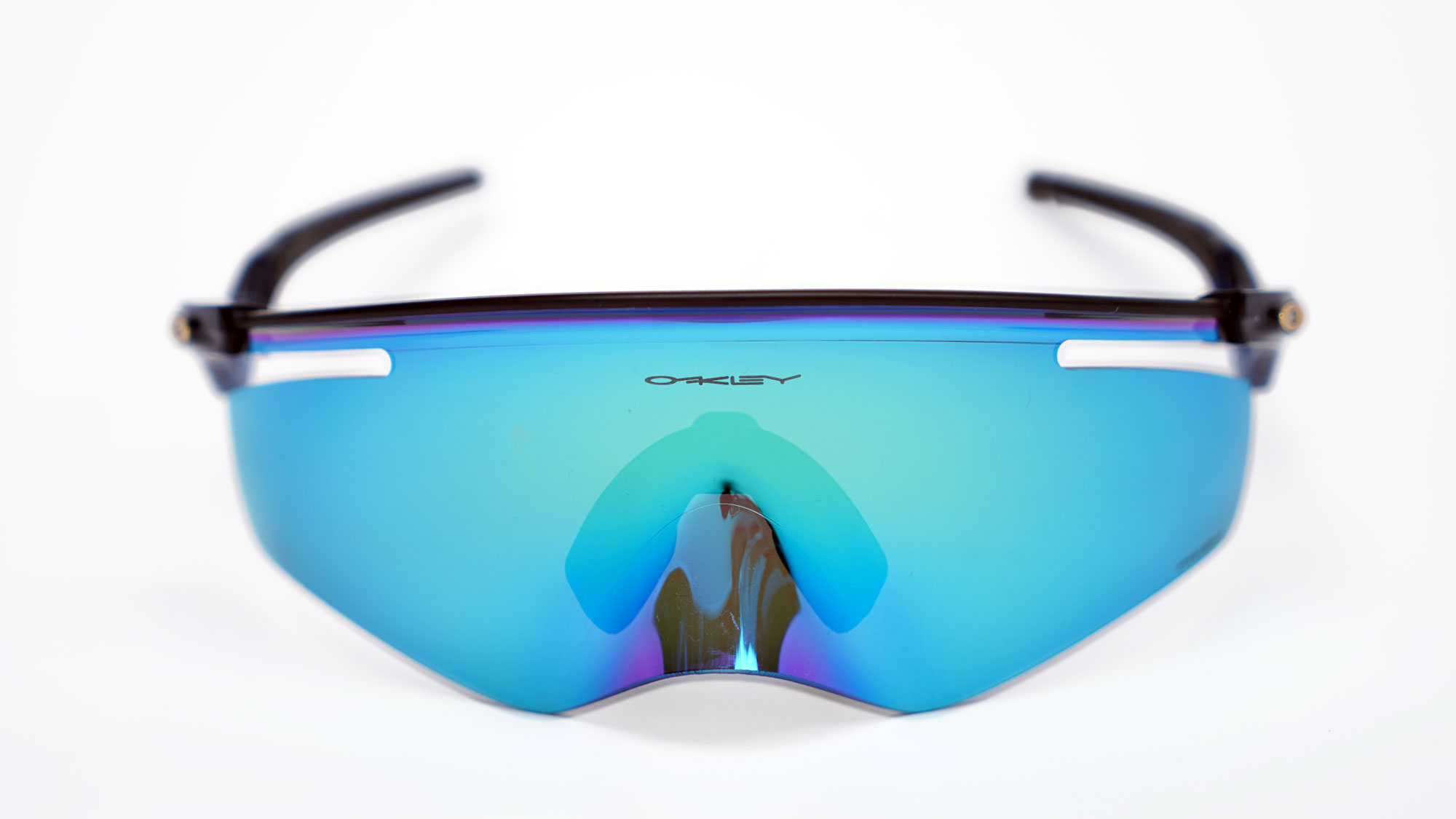
There has been a vast range of sunglasses since the original Eyeshades were first seen in the peloton (and, eventually, elsewhere in cycling bunches). But one thing that has come full circle is the size of the lenses. In 2025 there seems to big or bigger. The Velo Kato – a style that emerged in recent years, following an evolution of designs – is the latest go-to for Oakley-sponsored riders… and consumers are also buying into the concept.
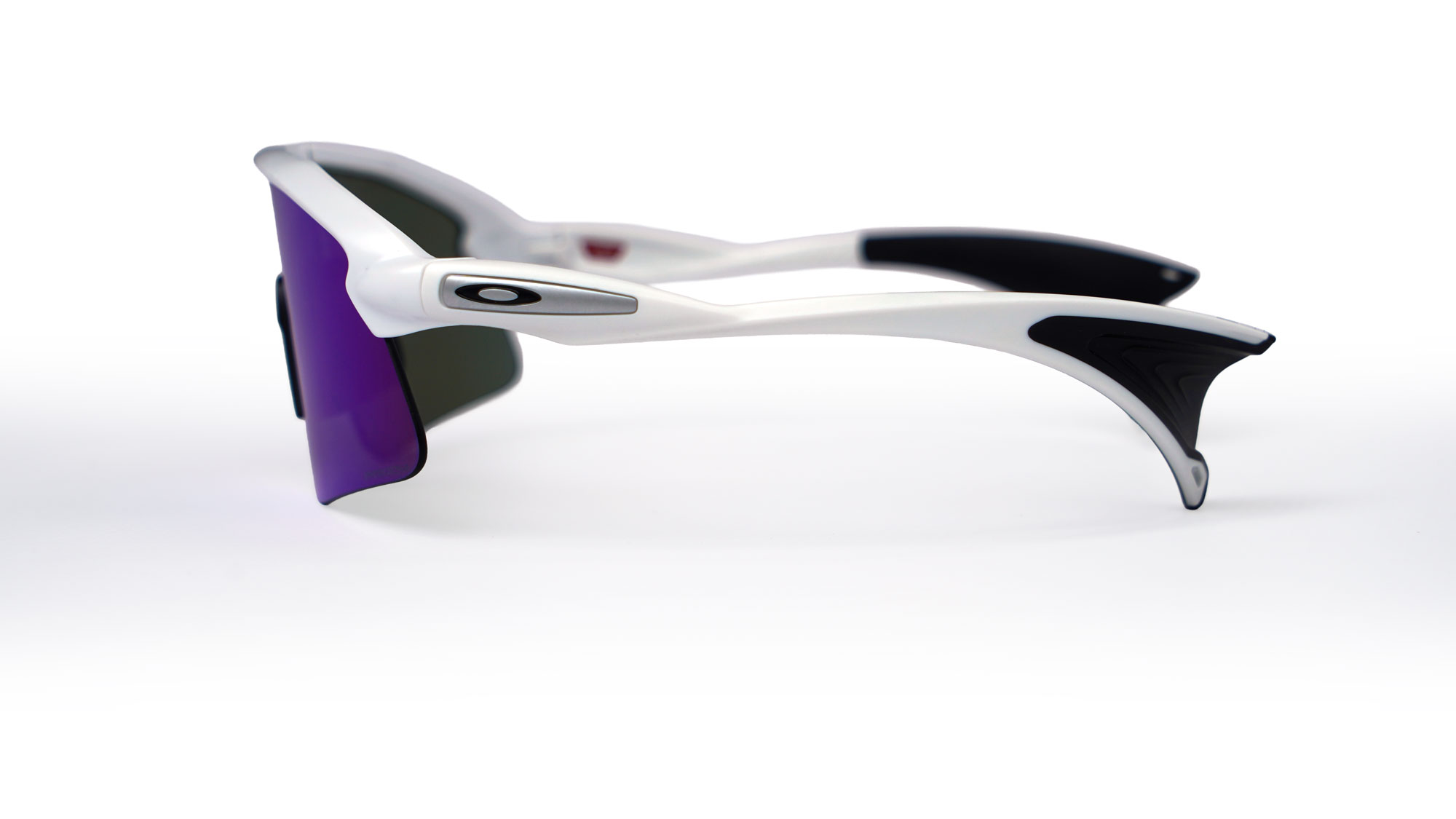
Aero sunglasses? Well, that’s one of the pitches for the nose piece that is integrated into the lens, but there’s a lot more to sporting eyewear than shape and style alone.
In this evolving review series, I’ll be adding commentary about some of Oakley’s latest cycling-specific eyewear range throughout the summer.
There is clearly a quest by Oakley to create another trend, something for the sporting set that extends beyond just a variation in colours, refinement of lenses, and a collection of sizes.
Please note: I’d also love to get your feedback about the eyewear you choose to use, and why. So, if you have any comments or observations you’d like to share, be sure to get in touch (and/or leave a comment on Ride’s social media pages).
Oakley Velo Kato (video)
Chapters
- Introduction
- 00:50 First thoughts
- 01:21 Your thoughts?
- 03:50 Flashback (first ride)
- 05:37 Back to ‘Current Ride’
- 06:25 Montage
- 06:50 Summary (second ride)
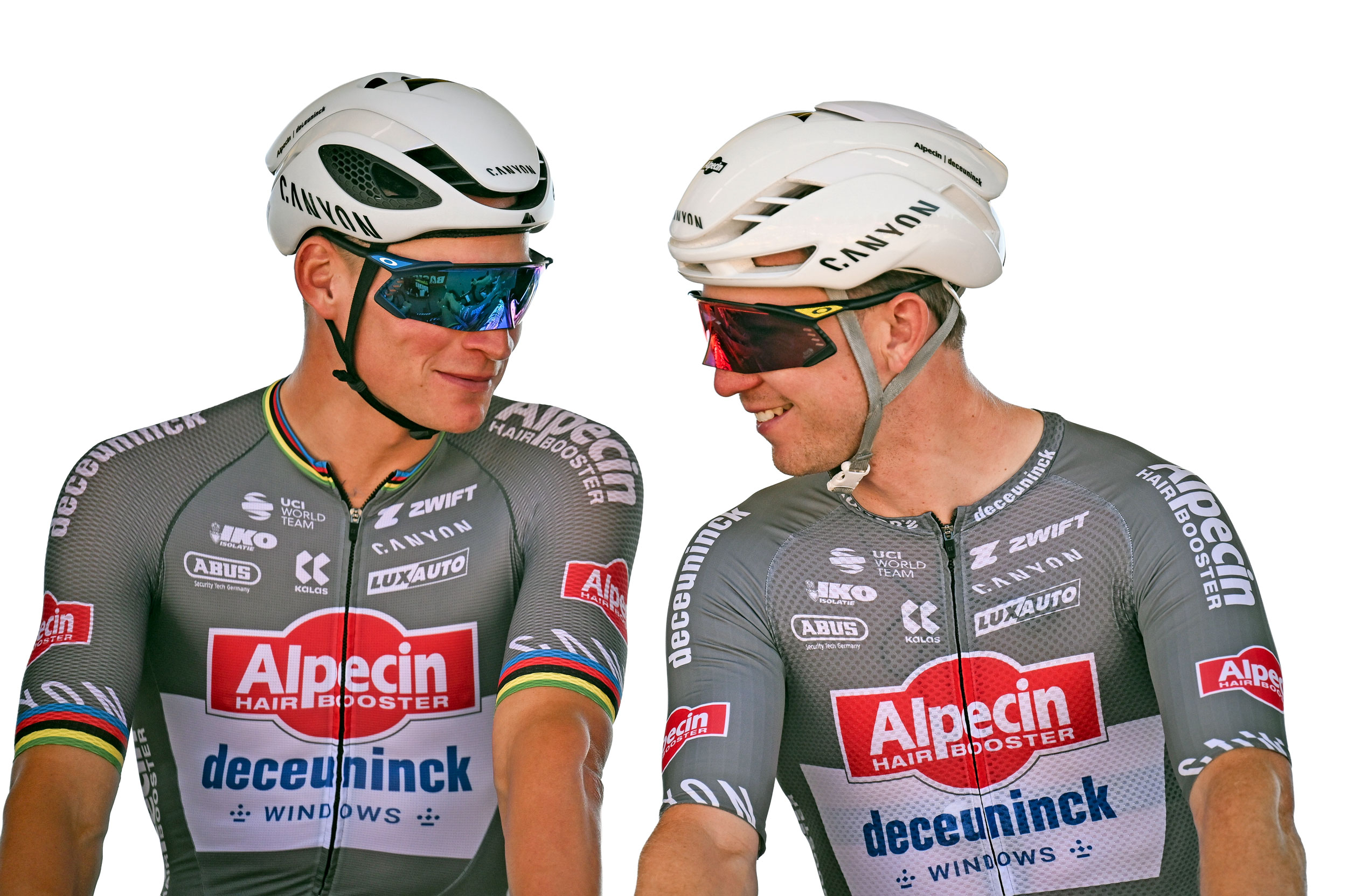
I’ve tried some of the styles featured on this page and have come to appreciate certain benefits of particular models. Some sunglasses have become favourites, others are returned to the PR company after the testing period.
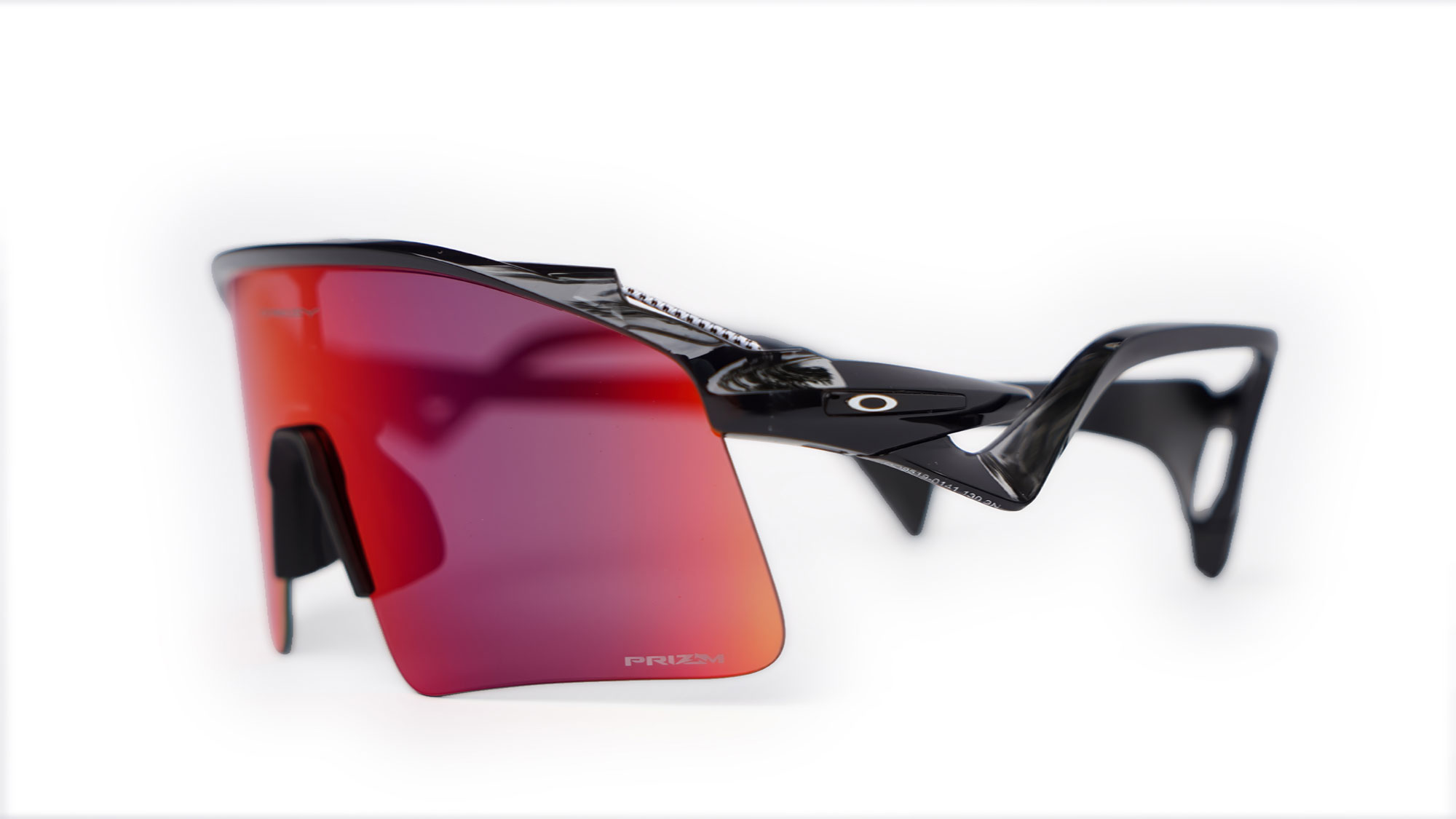
Some look cool. And some are, in my appraisal, pretty damn ugly even if they are great to look through. Of course, when it comes to style (or fashion), it’s a case of each to their own. And that’s a good thing. Without a variation in taste, there would be far less innovation. Why bother changing something, or experimenting with new concepts, if everyone agrees on what’s ‘best’?
The ongoing review will also feature some videos recorded while wearing various sunglasses – some for the first time, others that have been in my collection for a while and have become favourites.
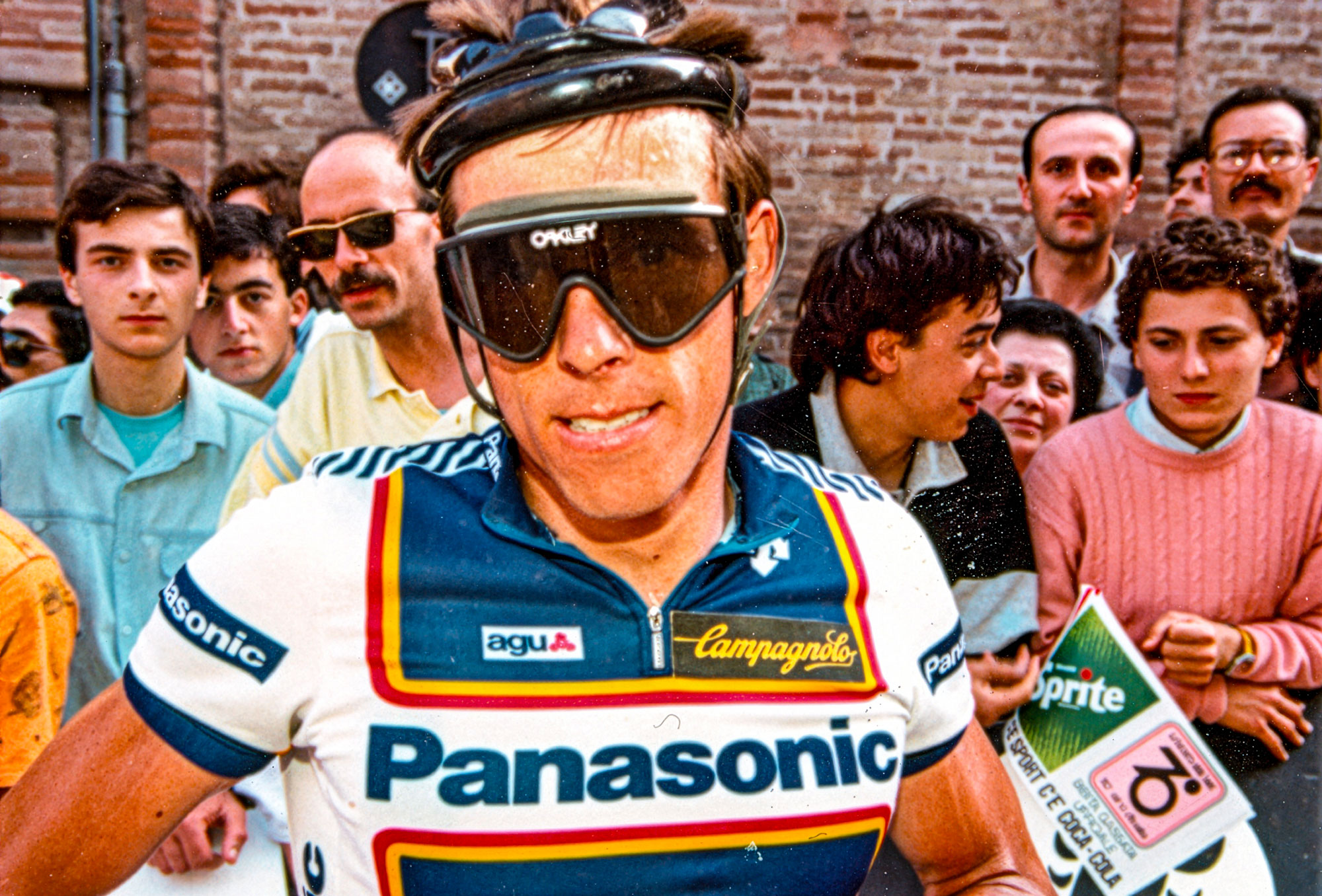
Oakley’s origins in cycling
In the 1980s and 1990s two Grand Tour-winning Americans – Greg LeMond and Andy Hampsten – along with Australian cycling pioneer Phil Anderson were Oakley-sponsored stars in the elite peloton. They were amongst the original ‘Factory Pilots’ of our sport.
The curious aesthetic of these formative years emerged because there was essentially no precedent.
Of course, bike riders had worn sunglasses before. ‘Eyewear’ has been part of the pro peloton since the early days of racing, and some of the sport’s biggest stars helped dictate the style of the times (or vice-versa).
But when Oakley’s ‘Factory Pilot’ program came to cycling, so too did US-styled marketing (and the associated hype and revenue).
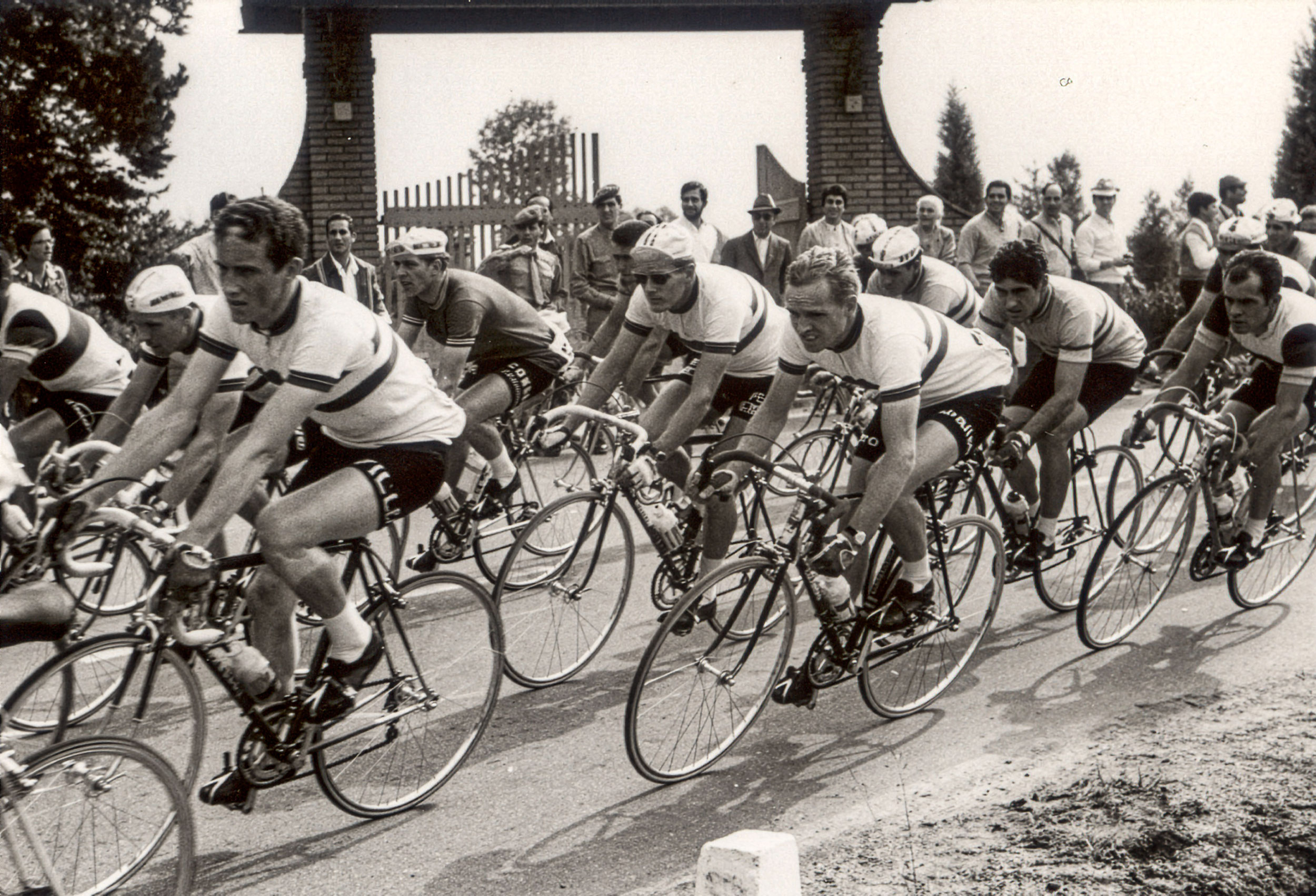
Jan Janssen wore dark glasses in races, and did so with style. His was a distinctive look during the dominant years of his career in the 1960s, but that was also a time when there was a strong spike in the use of sunglasses.
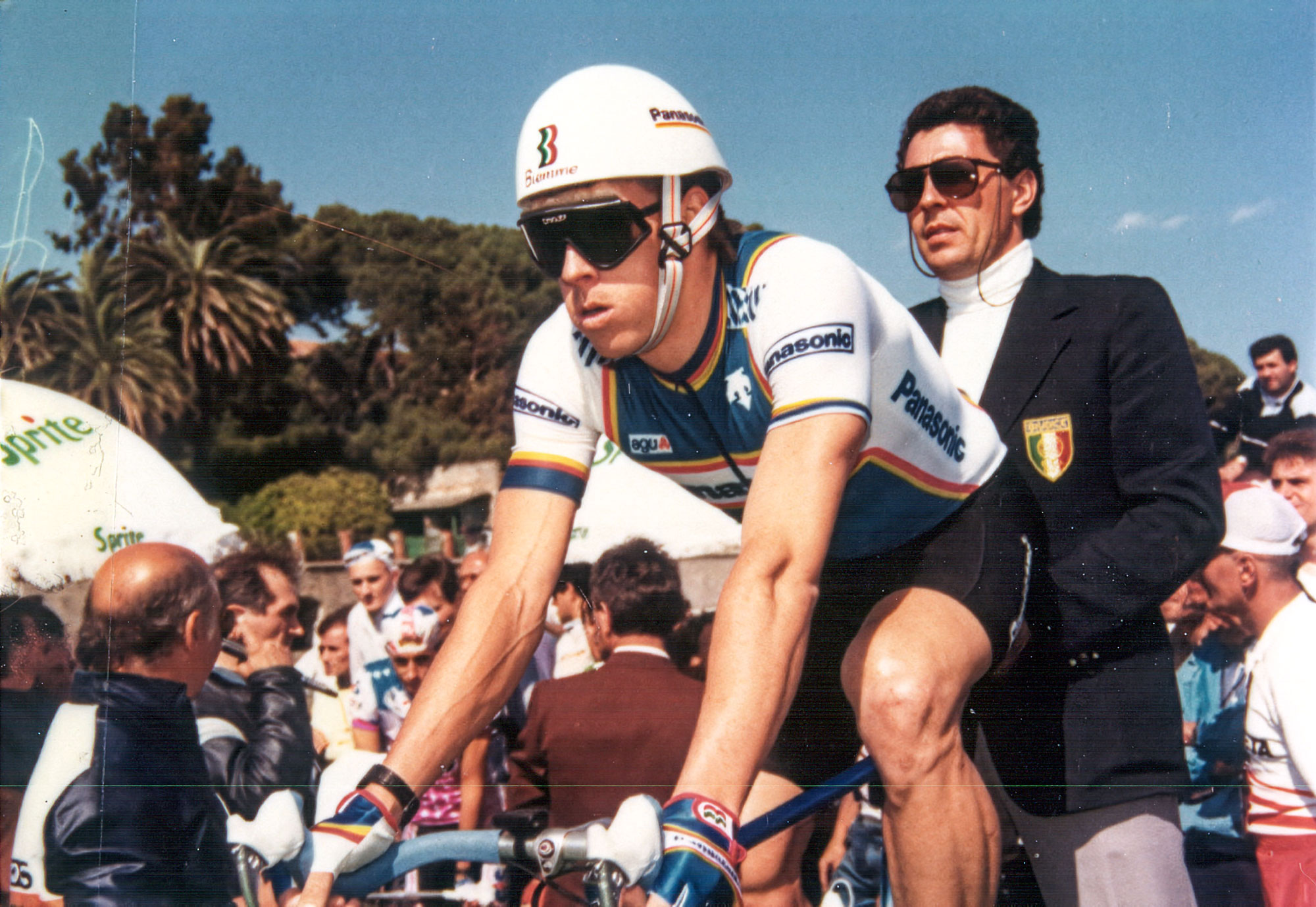
Before then the Style Master, Monsieur Jacques Anquetil, was frequently pictured with cool sunnies, more often off the bike than on. And after Janssen came other pro riders of repute who dabbled in earning some extra income from eyewear brands – eg. Bernard Hinault and the steel-framed, dark tint days in the early 1980s.
But it wasn’t until Oakley – along with Anderson, LeMond, Hampsten, and others – arrived in the pro peloton that sporting eyewear gained true traction. That was the era when ‘sporting eyewear’ – essentially a merger of two products: goggles and sunglasses – exploded.
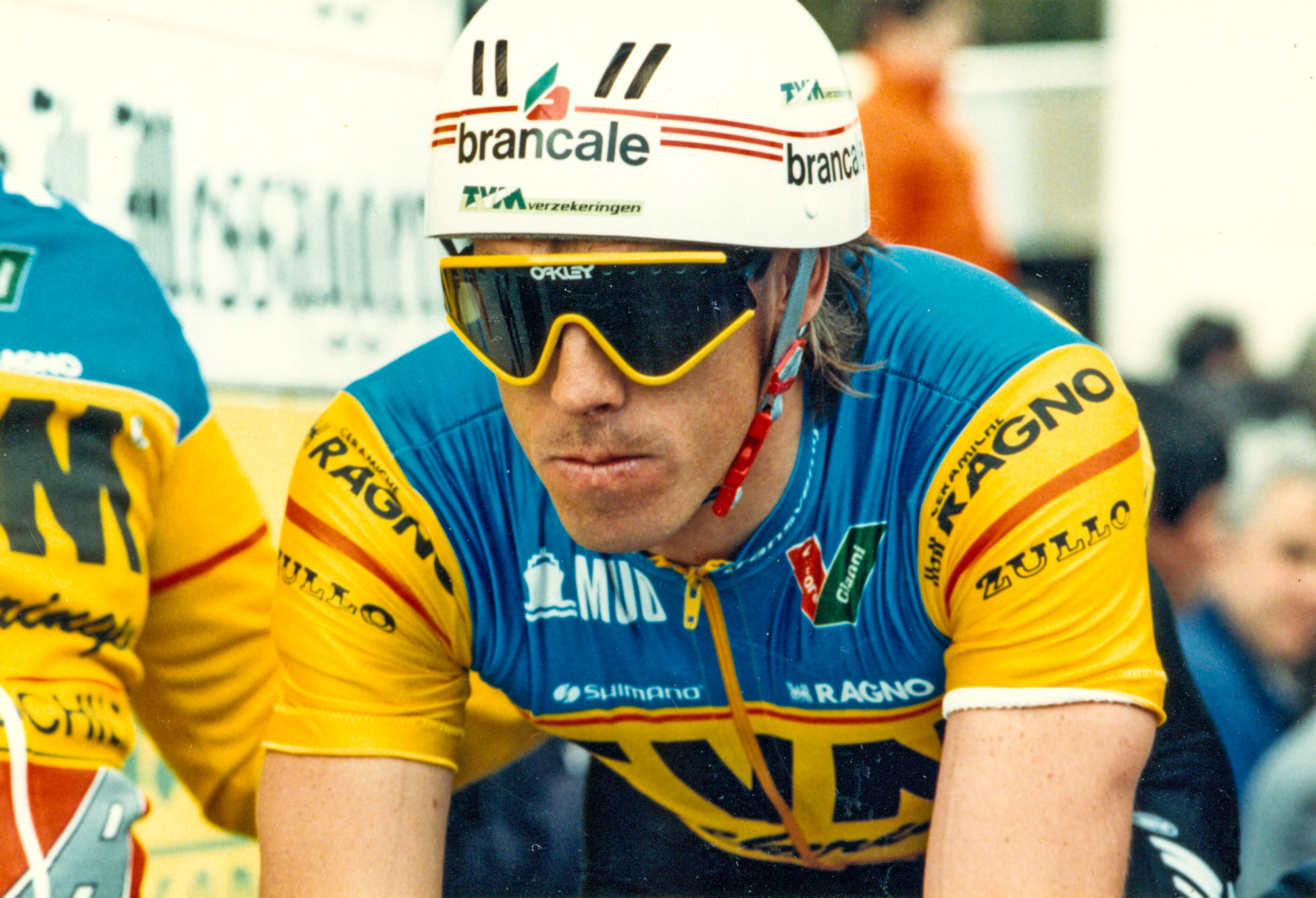
The market responded. Sales increased. Oakley grew rapidly. Sunglasses became part of the sporting aesthetic, and it continues in 2025 with new styles and retro releases alike.
The Eyeshades have been modernised (slightly) and repackaged 40 years since they first appeared in the peloton. In 2025 they’re called MUZM Eyeshades and much of the original thinking remains: a large shield over the eyes and a design crafted to ensure they stay in place in the midst of activity.
The MUZM range is a nod to a period of dramatic change in pro cycling, when US style infiltrated the peloton, igniting the explosion of sporting eyewear in the formative years.
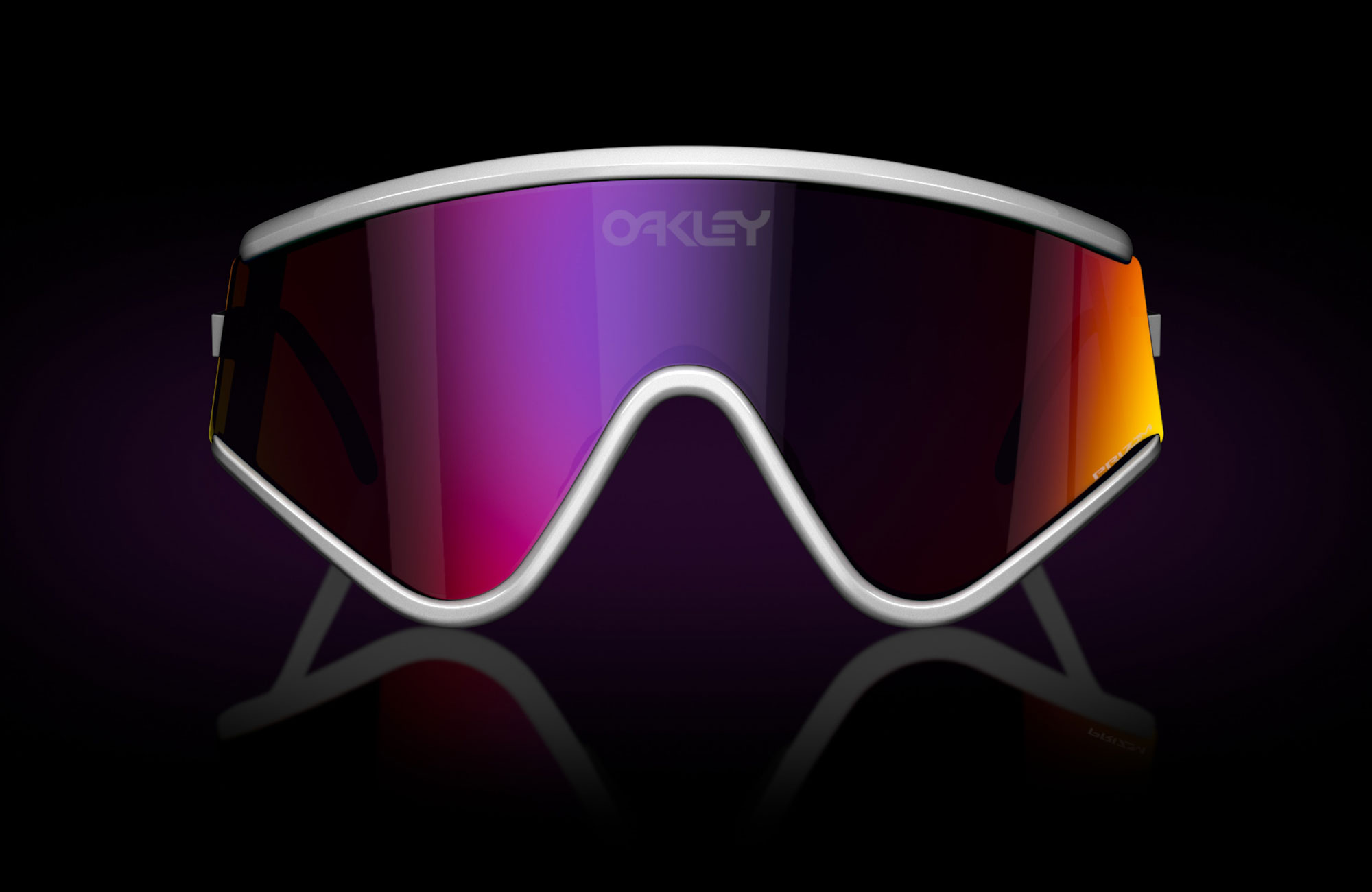
Innovation is part of the game and Oakley is one of the original names in sunglasses suited to riding your bike. It’s a brand that has always been willing to take a gamble on styles, colours, and peculiar designs. Sometimes it pays off, like with those Eyeshades all those years ago.
Sometimes the experimentation (or, perhaps, the quest for publicity) is a flash-in-the-pan. And every time I write about Oakley’s eyewear range I can’t resist a mention of bizarre Over The Top sunnies from 25 years ago. Good luck trying to find an image of those. They came to market. They prompted much ridicule. And they duly vanished… almost without a trace. David Millar may still have his pair from the Sydney Olympics but he must also cringe when looking at the photos of his TT in the Games.
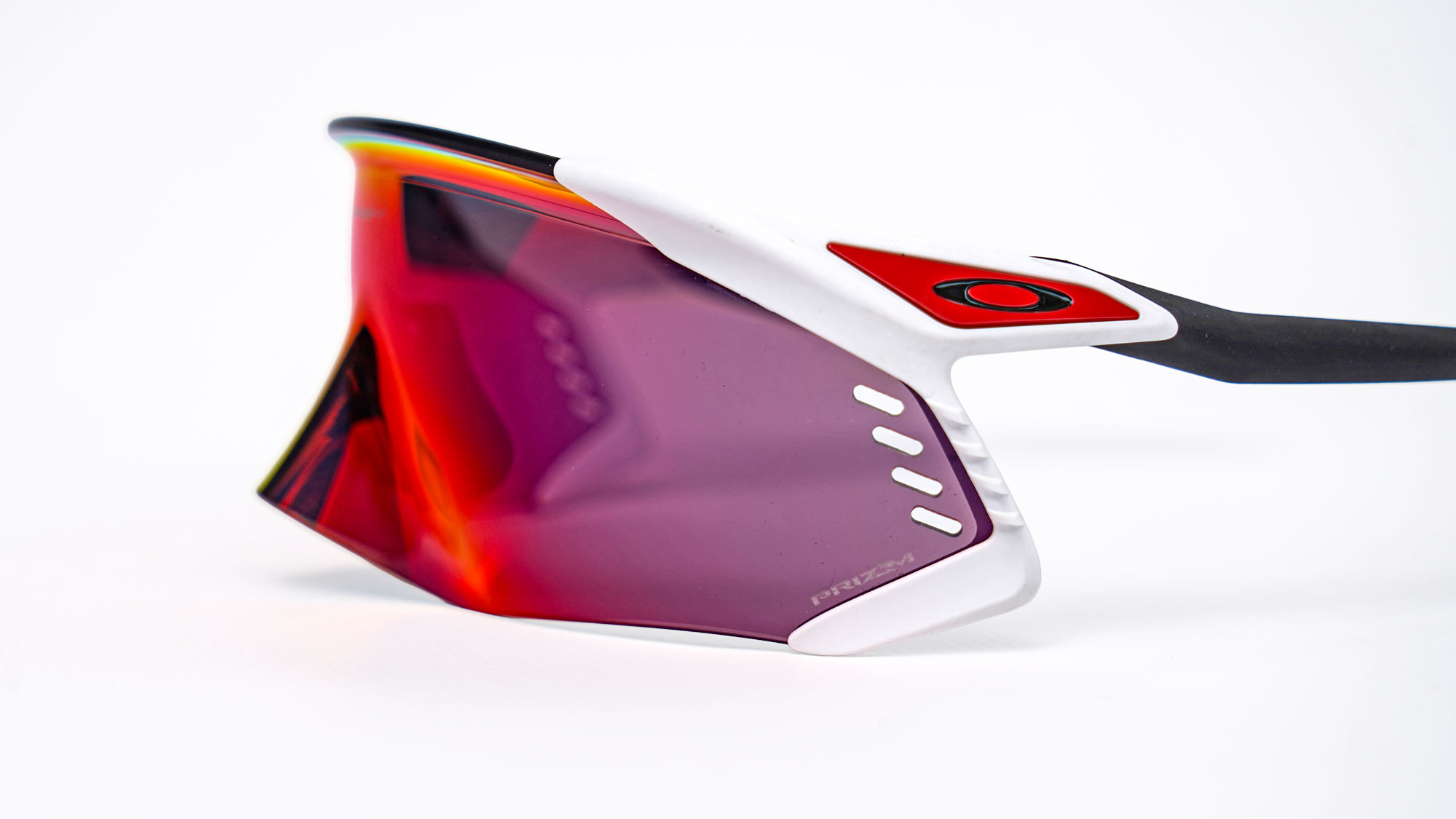
Success of the Sutro sunglasses
There have been many successful gambles by Oakley over the years. For the cycling market, one recent example is the hugely popular Sutro range. The design is compatible with a wide variety of helmets, they are comfortable, and absolutely suitable for use while exercising. And, over the past few years, Sutro sunnies have become ubiquitous in cycling bunches around the world.
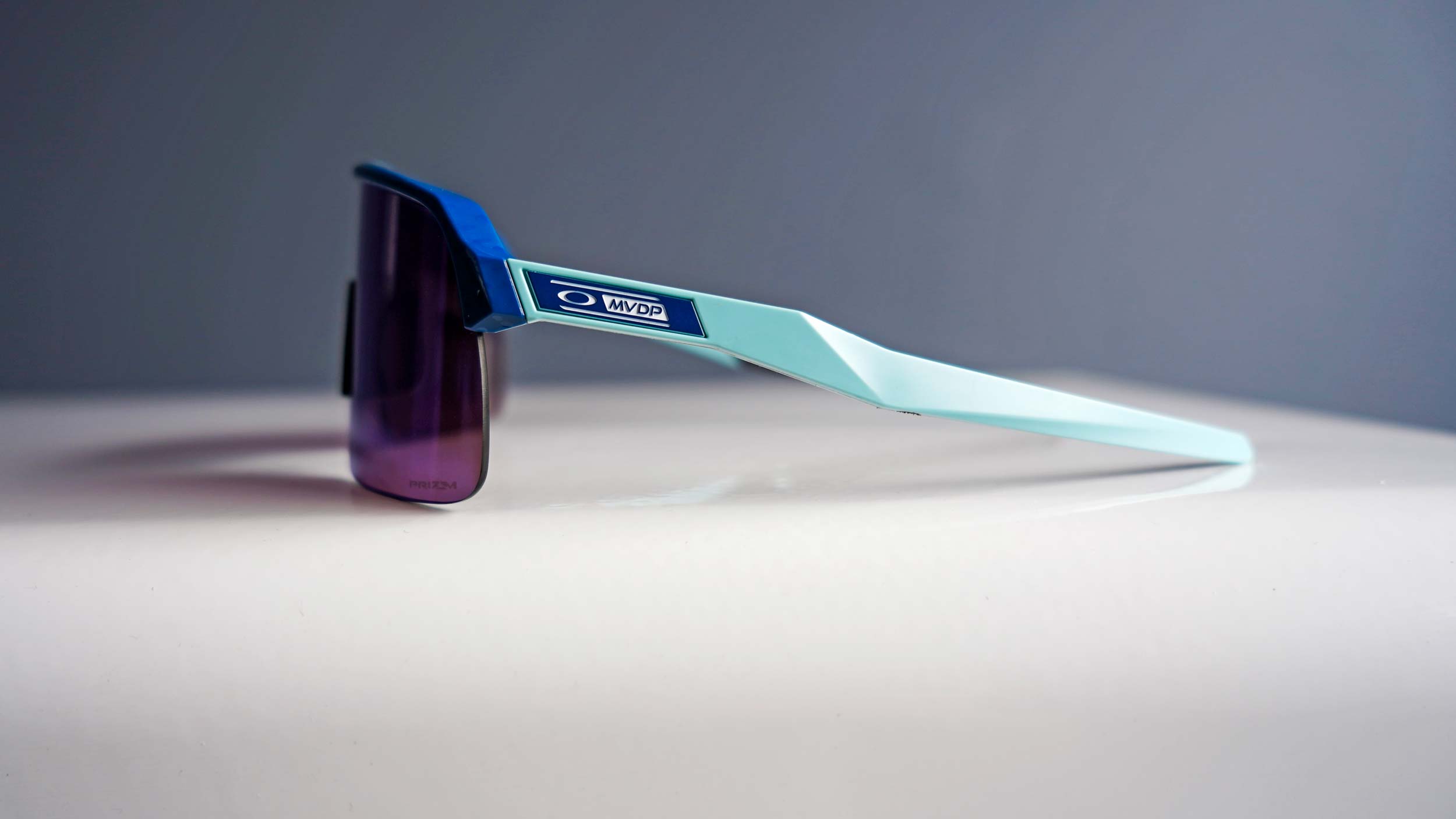
The range expanded rapidly to include full-frame options (ie. the original Sutro design), semi-rimless (Sutro Lite), a smaller size option (Sutro S), and then variations like Sutro Sweep (with a deeper, sculptured underside), Sutro Low Bridge, or lenses with holes drilled for ventilation.
All up, there are almost 30 variations of the Sutro sunglasses on the market in 2025, with signature-edition options featuring sports stars (eg. the Patrick Mahomes II Collection) or event branding (eg. the Tour de France Collection). Furthermore, the frames of the Sutro range expanded to include titanium and allow options.
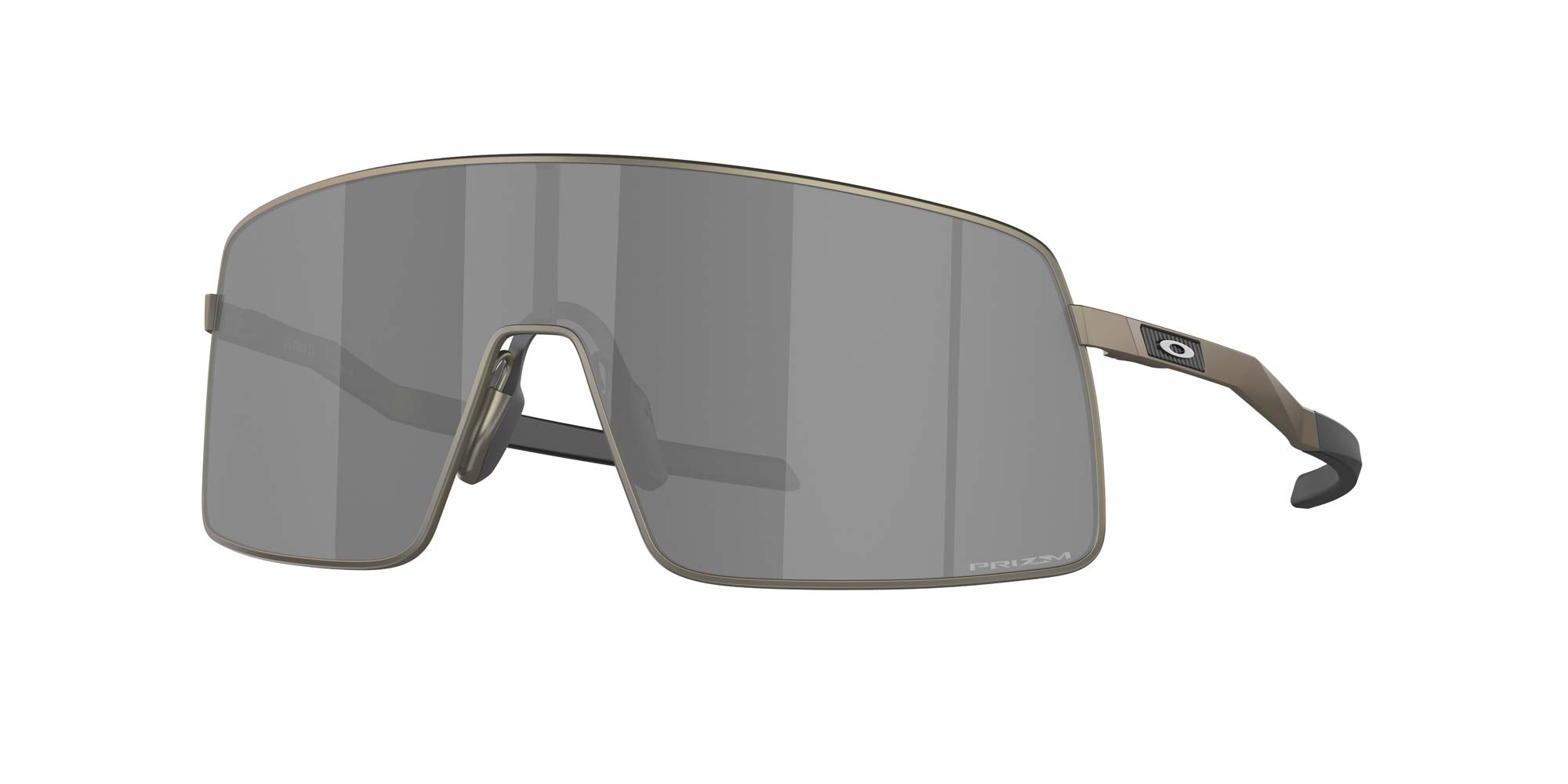
The Sutro lens is easily replaced and Oakley’s cycling range often draws inspiration from what made the Sutro shape such a hit with consumers when launching new styles each season.
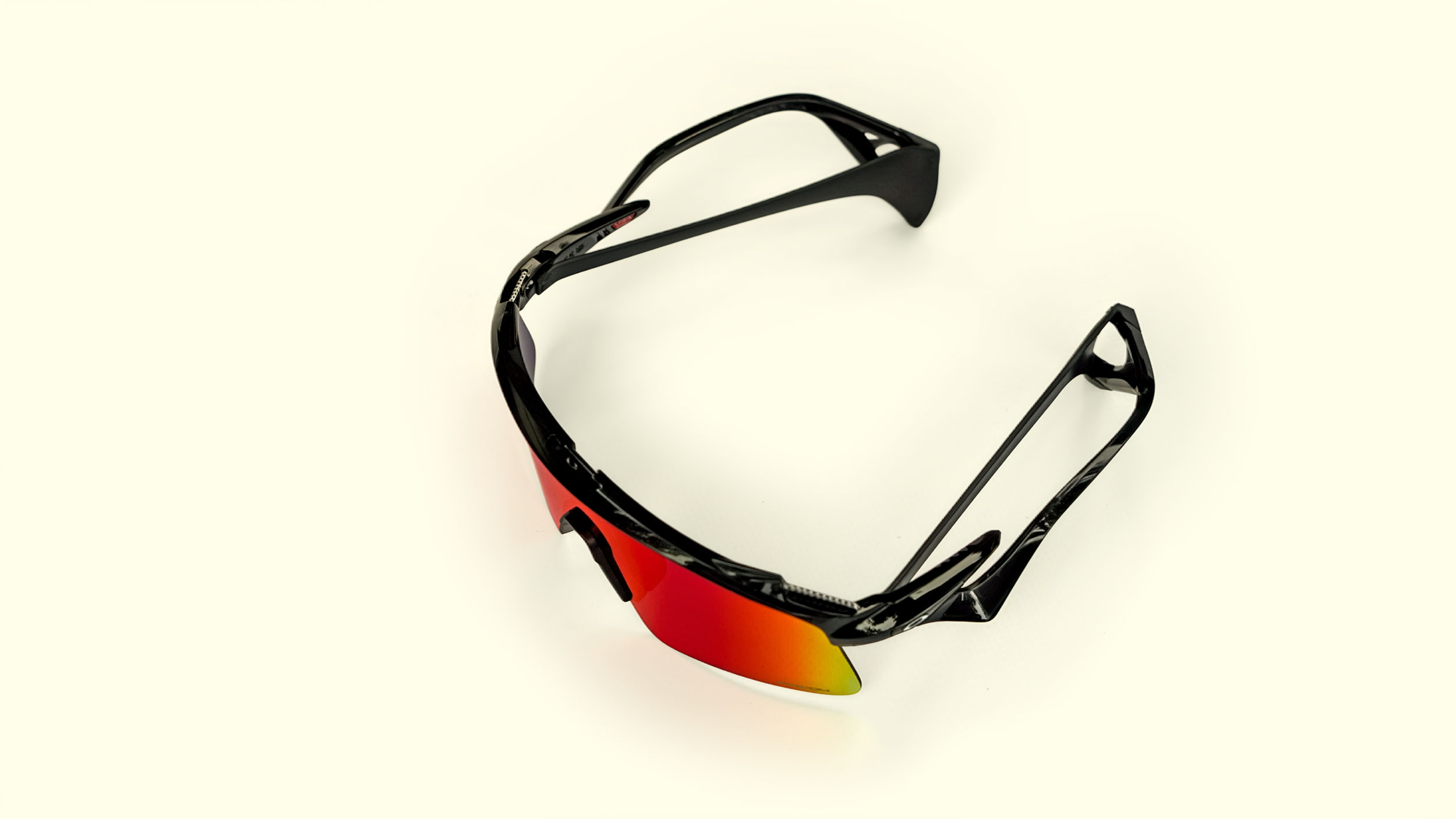
Some elements of the Sutro design remain in the sunglasses that were recently sent to Ride Media for review but there’s also plenty of innovation and, again, a willingness to to experiment, surely in the hope of finding another successful formula.
Storage options a consideration
When flipped upside down, contemporary sunnies usually slot securely into a helmet’s openings which were once considered only ‘air vents’; nowadays the marketeers have dreamed up other terms – eg. POC’s ‘eye garage’, or Giro’s ‘eyewear docking port’, MET’s ‘sunglasses ports’… etc. (Interestingly, it’s difficult to find what name Oakley has used for the sunglass storage in its helmet range.)
Of course, the best place for sunglasses is on your face but it’s useful to have the ability to store them somewhere that’s secure and easily accessible. So, in my appraisal, the compatibility of eyewear with helmet is an integral part of the arrangement.
Even if you don’t like slotting sunnies into your helmet it’s still a good idea to consider both items, and how they fit together when riding. The arms of some sunglasses don’t suit the strapping style of some helmets. Similarly, not all brands of eyewear are compatible with the ‘garage’, ‘docking’, or ‘ports’… so, of course, try before you buy and recognise that there will be times when even the best eyewear will need to be stored somewhere that isn’t on your face.
Lens shapes and tints
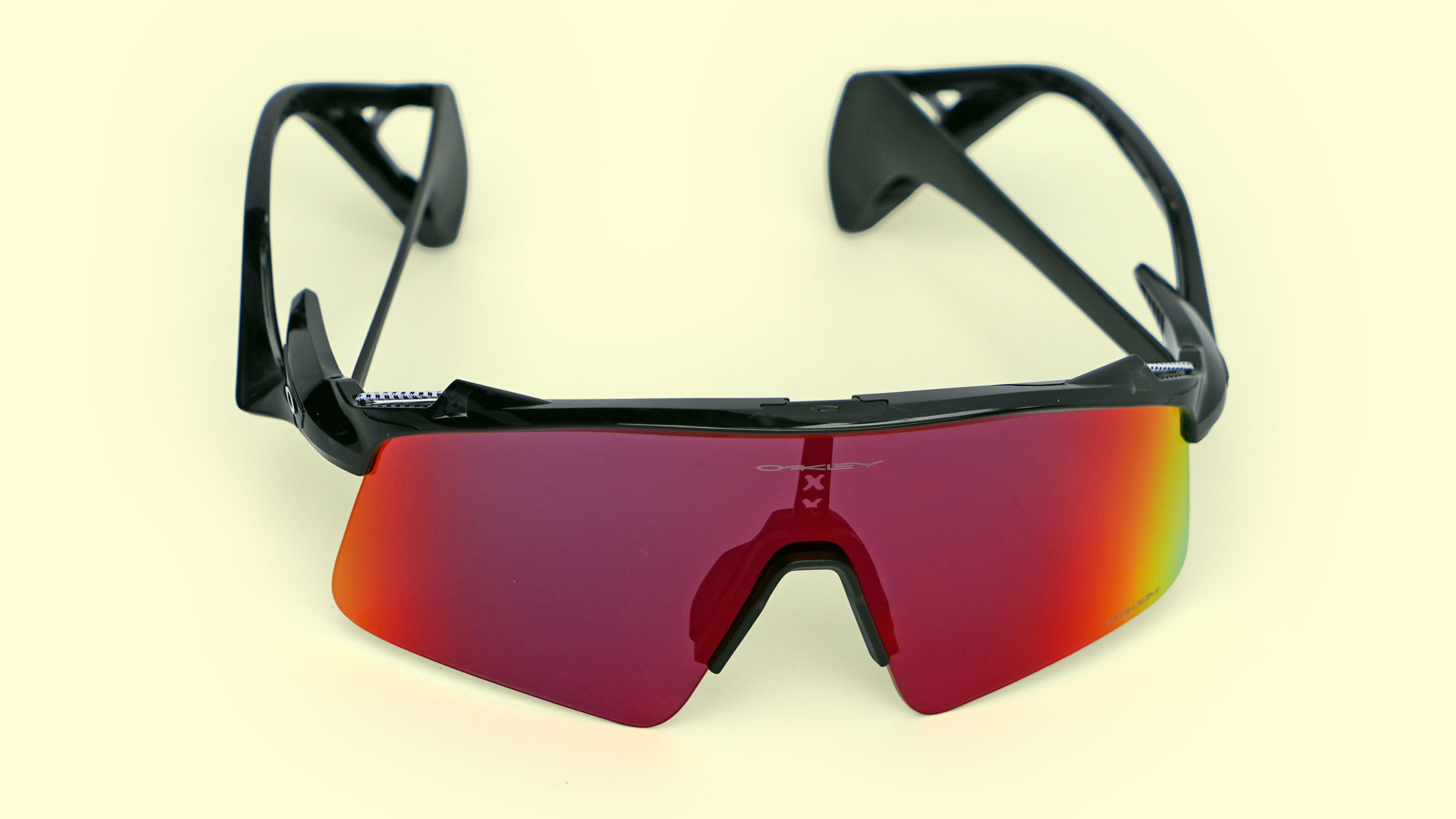
The small, almost stealth lens shapes of sunglasses from yesteryear have been almost universally replaced with large shields that – by proxy or by design – sit neatly in line with your helmet.
There is now such an enormous range of lens colours that you’re bound to find the right one for all light conditions. And, of course, they are often interchangeable to ensure you always see where you’re going in the most defined way possible (and that you continue revisiting the optometrist/bike shop to check for new releases).
Lens options in the Oakley range include ‘Prizm’, which is said to “enhance colour and contrast” and ‘Prizm Polarized’ to block reflected glare (and which should not be used while driving at night). Oakley’s sporting eyewear also has prescription-ready frames, although it’s important to check on compatibility before buying.
Retro styling… all the rage
Cycling essentially got things rolling in the lucrative sporting eyewear market. You know the story. You’ve seen the photos. And you’ve probably even been part of the retro movement that Oakley tapped into again recently with re-releases of myriad styles.
Consider the Frogskin sunglasses. Introduced a few decades ago while Oakley began to get established in the surf market, they came, then went… and then returned recently.
Designers in the 1980s might not have been kind to the surfing set with pastel colours and rudimentary styles which seemed as though they would sulk off into the abyss of (thankfully) forgotten memories. Ugly is one possible description. Uncomfortable also comes to mind. But fashion is fickle. But the years pass and before long another generation of teenage rebels emerges. Then… ta-dah, what had been written off not too long ago returns to the market. And a re-release of a ‘retro’ range of Frogskins flew off the shelves and onto faces around the world.
While Frogskin sunnies are more for casual wear than sporting applications, the retro revolution of recent years still applies to one of the true classics from the cycling market. Eyeshades have made a return (to an extent). Big lenses are certainly the order of the day, particularly if they match the lines (and fit) of your helmet. And in 2025, there’s a quest to squeeze in a reference to aerodynamics whenever it comes to cycling products.
Does a nose piece that’s also part of the lens make you go faster on the bike? Some may say yes, others might scoff at the idea. Still, aero is part of the performance cycling lexicon, so expect to see the word in marketing material for all kinds of products – even more now than what we have grown accustomed to.
What makes good sunglasses great for cycling? It’s a question that is worth considering and, as we work our way through a series of reviews of the latest Oakley ‘sporting eyewear’ I’ll offer my summary of the styles, the benefits, the drawbacks, the good, the bad, the ugly, the cool. And again, please let me know what you think.
– Rob