Every Tour de France arrives carrying a few big questions. This year feels like it has more than most. Can Tadej Pogačar win a fifth Tour and move another step closer to the sport’s immortals? Can Jonas Vingegaard back up a dominant Giro d’Italia victory and complete the rare Giro-Tour double? Is Remco Evenepoel finally ready to turn his immense talent into a Tour-winning challenge? And what happens if French cycling’s latest phenomenon, Paul Seixas, continues his astonishing rise on the sport’s biggest stage?
Those storylines alone would be enough to make July compelling viewing. The reality is that the Tour is never just about the favourites. It’s about their timing. The riders who look unbeatable in May often look vulnerable in July. A mountain stage nobody was talking about suddenly becomes the turning point of the race. A crosswind split on a flat stage sometimes creates bigger time gaps than a summit finish.
The Pogačar Question
For the past few years, every Tour discussion has eventually found its way back to one rider.
Pogačar arrives at the 2026 Tour as the defending champion and once again the rider everyone else will be measured against. Four Tour victories already place him among the modern greats. A fifth would put him alongside some of the biggest names the sport has ever produced.
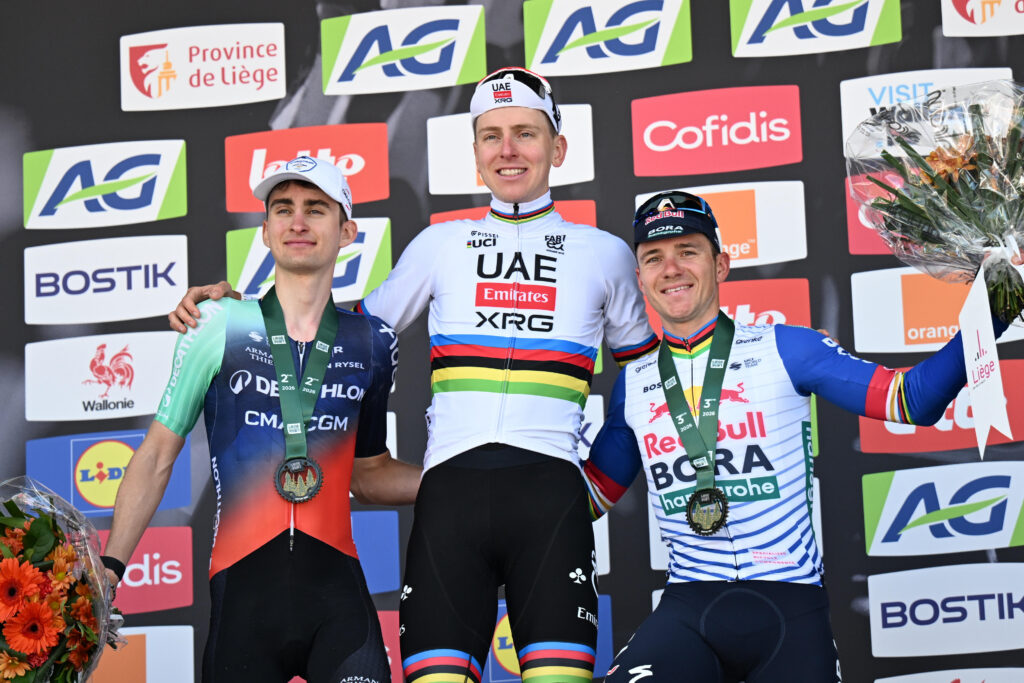
What makes Pogačar such a fascinating rider isn’t simply that he wins, it’s how he wins.
Most general classification riders spend months carefully managing their race programmes around one goal. Pogačar seems determined to race everything. One day races. Stage races. Monuments. Grand Tours. He attacks more often than conventional wisdom suggests he should and somehow still finds himself standing on the top step.
The question heading into July isn’t whether he’s the favourite, it’s whether anybody can consistently match him over three weeks.
The Great Dane
If there is one rider capable of doing that, history says it’s Jonas Vingegaard. Fresh from winning the 2026 Giro d’Italia and becoming one of the few riders in history to win all three Grand Tours, the Dane arrives with momentum few riders can match. The Giro victory was dominant, built around five stage wins and a commanding overall margin.
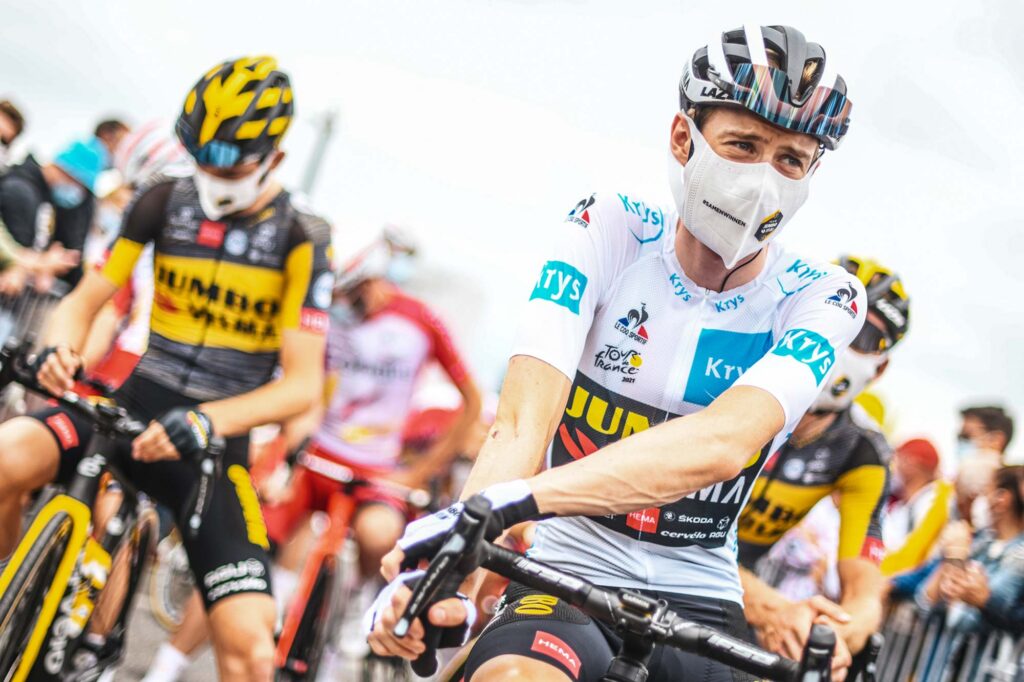
The challenge now becomes recovery before the Tour. The Giro-Tour double remains one of cycling’s most difficult achievements. Modern riders rarely attempt it. Those who do quickly discover that winning one Grand Tour is hard enough. Winning two back-to-back is something else entirely.
If Vingegaard arrives in France carrying the form he showed in Italy, we could be looking at another chapter in what has become the defining rivalry of this era.
Don’t Forget Remco
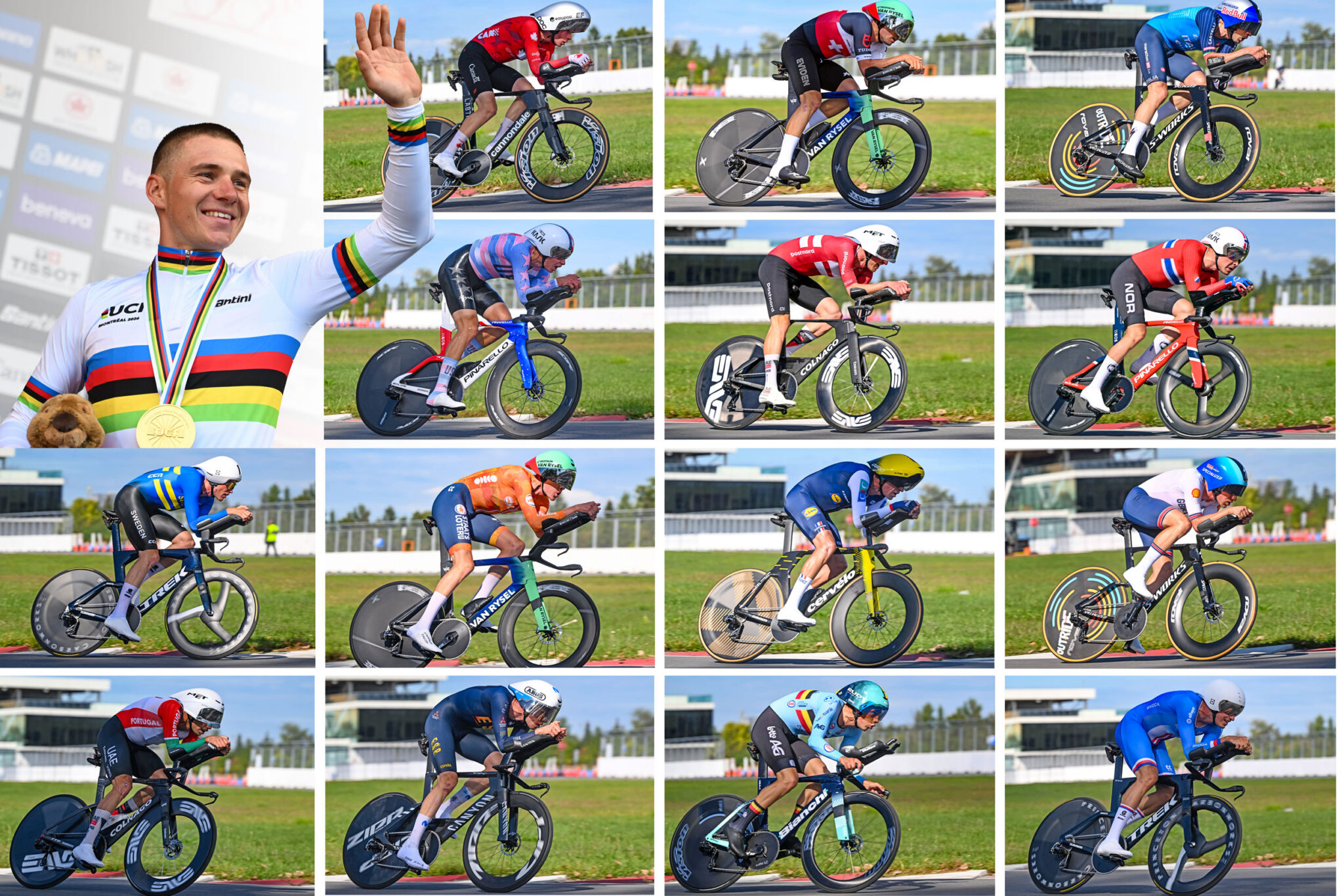
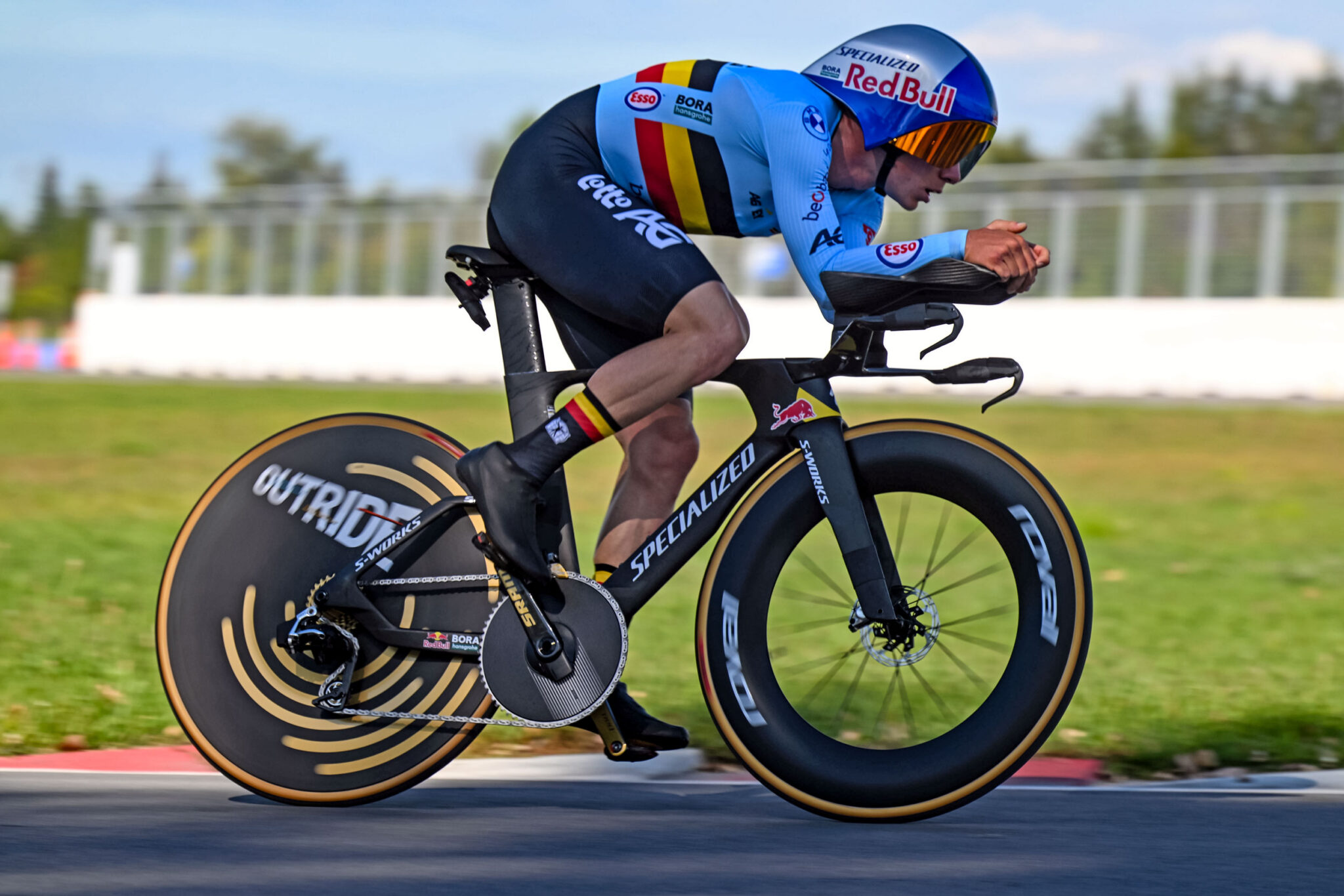
It feels strange to call the double Olympic champion Remco Evenepoel an outsider, but that’s almost where we find ourselves. The Belgian remains one of the most gifted riders in the peloton. His time trial ability is among the best in the world and when he’s at his best, there are few riders capable of matching his combination of power and aggression.
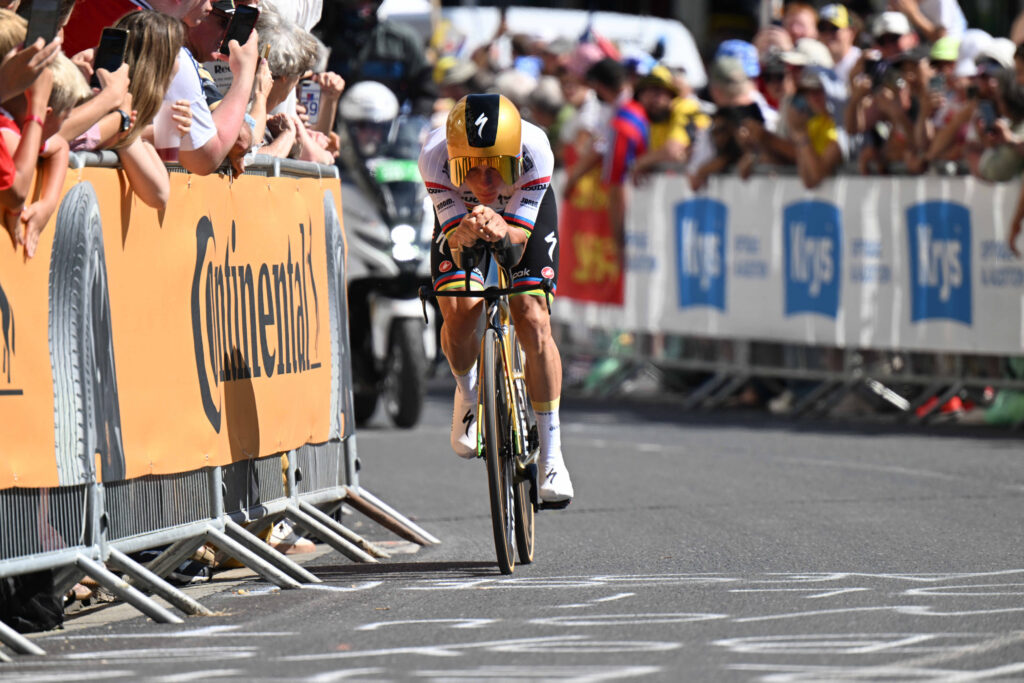
Yet the Tour remains unconquered territory. The challenge for Evenepoel has never been talent. It’s putting together three perfect weeks against riders who have repeatedly shown they can survive every bad day, setback and crisis the Tour throws at them. If he can do that in 2026, the dynamic of the race changes completely.
The French Hope
Then there’s Paul Seixas. French cycling has spent decades searching for the rider capable of ending a drought that stretches back to Bernard Hinault’s final Tour victory in 1985.
Nobody is suggesting Seixas is about to solve that problem this July. He’s only 19. He’s still learning. He’s never raced anything close to the demands of a three-week Grand Tour. But what he has done over the past 12 months has forced people to pay attention.
He’s secured victories, podiums and outstanding performances against some of the biggest names in the sport, which have transformed him from promising youngster to one of cycling’s most talked-about riders. His recent reconnaissance rides in the Pyrenees have only added to the hype.
Whether Seixas challenges for a stage, a jersey or simply survives to Paris, he’s likely to become one of the stories of this Tour.
The Aussie Underdogs
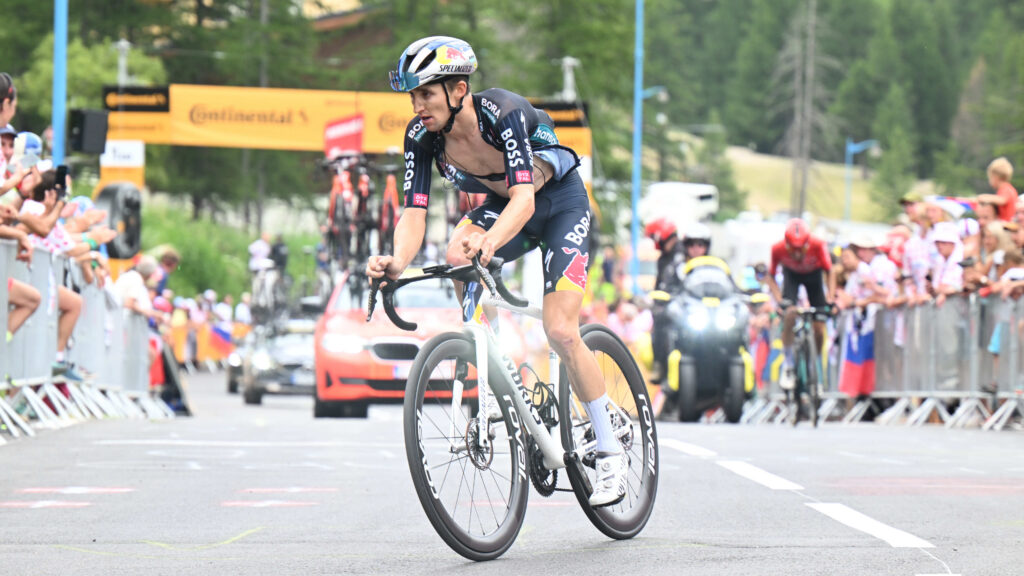
Australian interest will also be high, with several riders capable of making their mark on the race. Former Giro d’Italia winner and Tour stage victor Jai Hindley returns after a strong third-place finish at this year’s Giro, while Michael Storer, Luke Plapp and Ben O’Connor will both be targeting opportunities in the mountains. The 2026 Tour will also mark Luke Durbridge’s final appearance at the race as he brings the curtain down on a distinguished professional career.
The Route
Every year there are fans who spend the first week asking the same question. “When do the mountains start?” The truth is that riders can be completely wiped out of GC contention long before the race reaches the biggest climbs. The time trials, crosswinds, nervous transition stages and medium mountain days that look harmless on paper are often where the foundations of the final general classification are laid.
Barcelona will host the Grand Départ of the 2026 Tour de France, the first time the race has started in the city and its first Spanish start in 55 years. The opening team time trial will launch three weeks of racing that covers 3,333 kilometres across Spain and France. By the time the peloton reaches Paris, riders will have tackled more than 54,000 metres of climbing across five major mountain regions, including the Pyrenees and Alps, ensuring the battle for yellow will once again be decided in the high mountains.
2026 Tour de France Femmes avec Zwift
The Tour de France Femmes avec Zwift returns for its fifth edition in 2026 and continues its steady growth with the longest route in the race’s history. Covering 1,175 kilometres across Switzerland and France, the nine-stage race will see 154 riders from 22 teams tackle a course that offers opportunities for sprinters, puncheurs, climbers and time trial specialists alike.
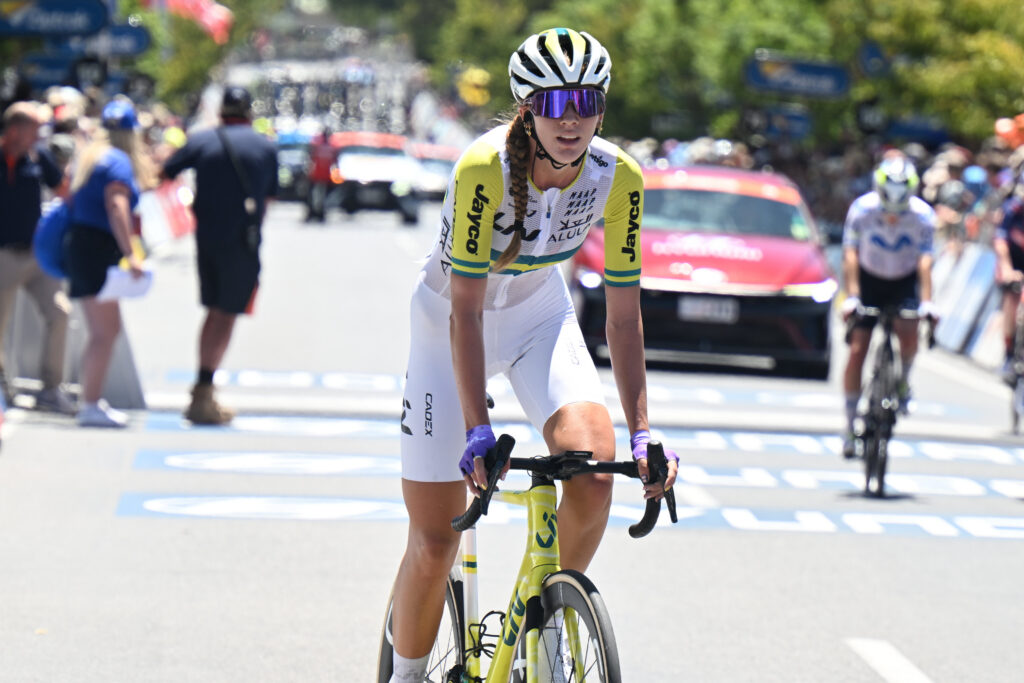
Australian fans will have several riders to follow throughout the week. Amanda Spratt is set to contest the final season of her professional career, while Lauretta Hanson and Mackenzie Coupland are expected to play important support roles as the racing reaches its decisive stages. To note: Aussie favourite Sarah Gigante was chosen as a major underdog to watch, but due to an injury she has unfortunately been ruled out.
The route is split across three flat and hilly stages, two mountain stages and an individual time trial, but it’s the climbing that is likely to have the biggest say in the general classification. Riders will face almost 19,000 metres of vertical gain as the race passes through the Jura, Massif Central and Alps, with the iconic summit finish atop Mont Ventoux on Stage 7 expected to be one of the defining moments of the race.
The Guide We Use Ourselves
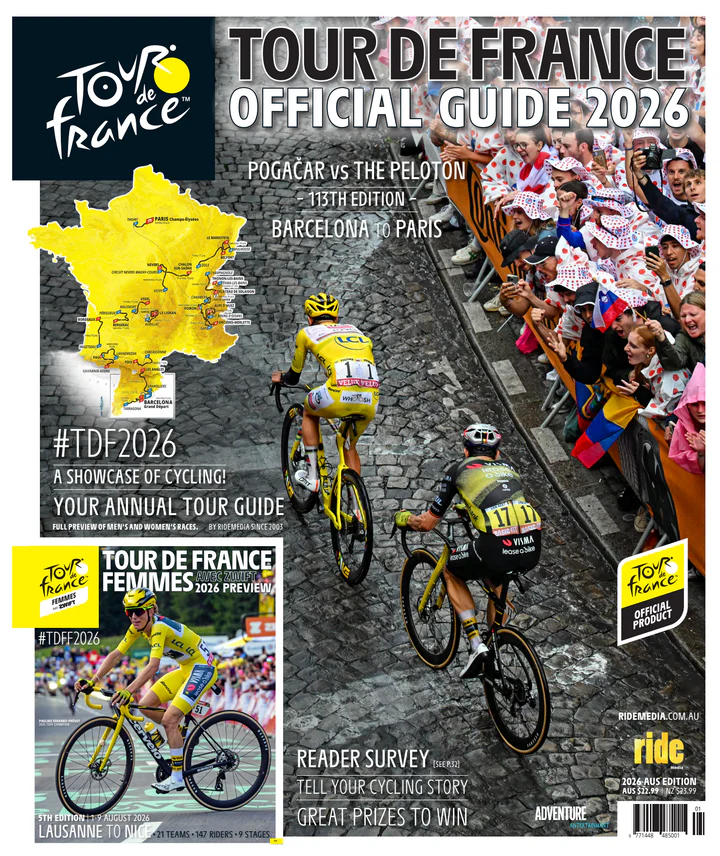
Every year we produce the RIDE Tour de France Guide for one simple reason: The Tour is easier to enjoy when you understand what’s happening, even if you’re a seasoned watcher.
The guide isn’t just a collection of stage maps and rider profiles. It’s designed to help you follow the race from the Grand Départ through to Paris. Stage-by-stage analysis, route profiles, team breakdowns, rider previews and key tactical insights all help explain why certain days matter more than others.
When a rider attacks with 80 kilometres remaining, you’ll know why. When a team starts controlling the race unexpectedly, you’ll understand what they’re trying to achieve. And when the yellow jersey changes hands, you’ll have the context that makes the moment meaningful.
Three Weeks We’ll Be Talking About For Months
The beauty of the Tour is that no amount of analysis can tell us exactly what’s about to happen.
Pogačar might dominate. Vingegaard might arrive stronger than ever. Evenepoel might finally put everything together. Seixas might give France a glimpse of the future. Or something completely unexpected could happen.
History suggests it probably will. That’s why we keep coming back every July. And that’s why the RIDE Tour de France Guide has become part of the ritual for so many cycling fans.