Choosing The Right Magene Power Meter
Spider Or Pedals?
Power meters have become one of the smartest upgrades you can make to a bike. Once reserved for pro teams and riders chasing marginal gains, they’re now commonplace on most modern bikes. Regardless of whether you’re following a structured training plan, or simply trying to ride smarter, having accurate power data has become far more valuable than relying on heart rate or speed alone.
Alongside that growth has come a huge increase in choice. Spider based systems, crank arms, pedals, every option promises the same thing, but each suits a different type of rider. Magene is one brand that’s built a complete ecosystem around power measurement. While it might still be a relatively new name to some Australian cyclists, the company now produces crank, spider and pedal based power meters, giving riders more choice.
The two products sitting at opposite ends of that range are the new TEO P515 and P715. Both measure power to the same claimed level of accuracy and both support ANT+ and Bluetooth connectivity, but that’s where the similarities largely end.
The case for a spider based power meter
If you’ve already got a trusty road bike that does most of your riding, there’s still a strong argument for a spider based power meter. Once it’s fitted, you don’t really think about it again, beyond routine calibrations and charging. It’s always there, it’s protected from the knocks that pedals inevitably receive, and there’s not much to remember before heading out the door.
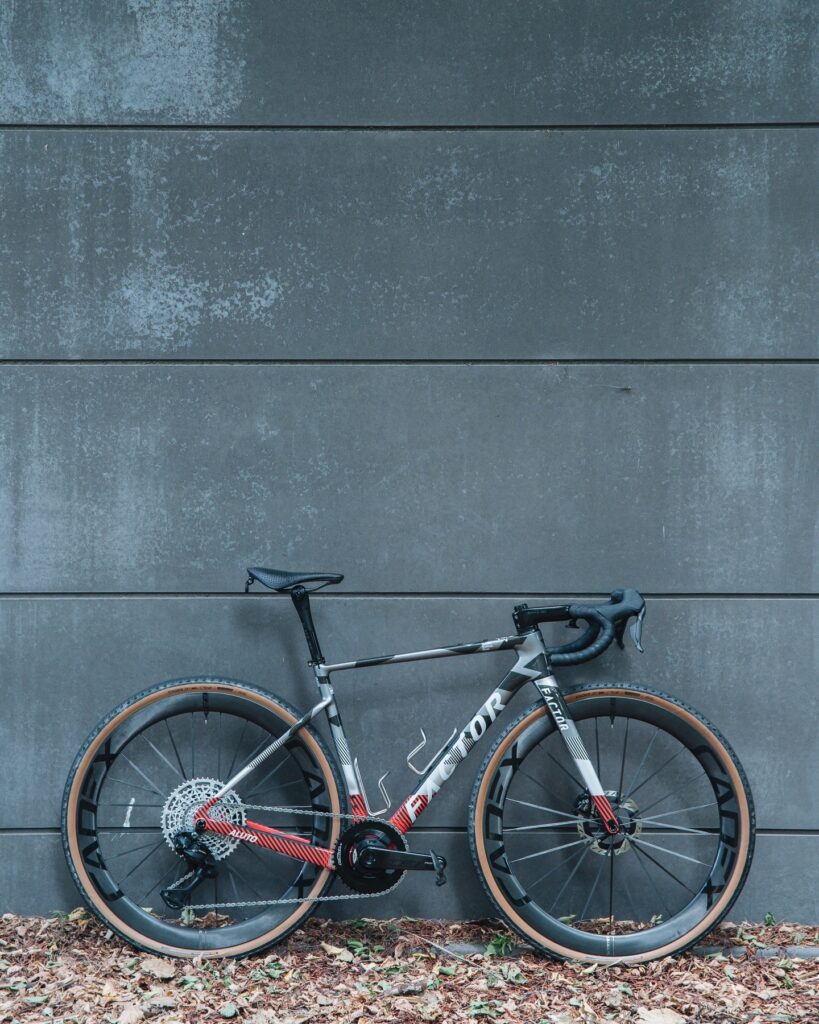
That’s the thinking behind Magene’s TEO P515. Rather than simply producing another power meter spider, the company has built an entirely new crankset around it. The HI-MOD carbon crank arms bring the complete system down to a claimed 425g, roughly 200g lighter than the previous aluminium PES P515 setup, while retaining a standard 29mm DUB spindle and 110BCD four-bolt interface. Riders can choose crank lengths from 160mm through to 175mm, and the system remains compatible with both Magene’s own chainrings and other popular 110BCD options.
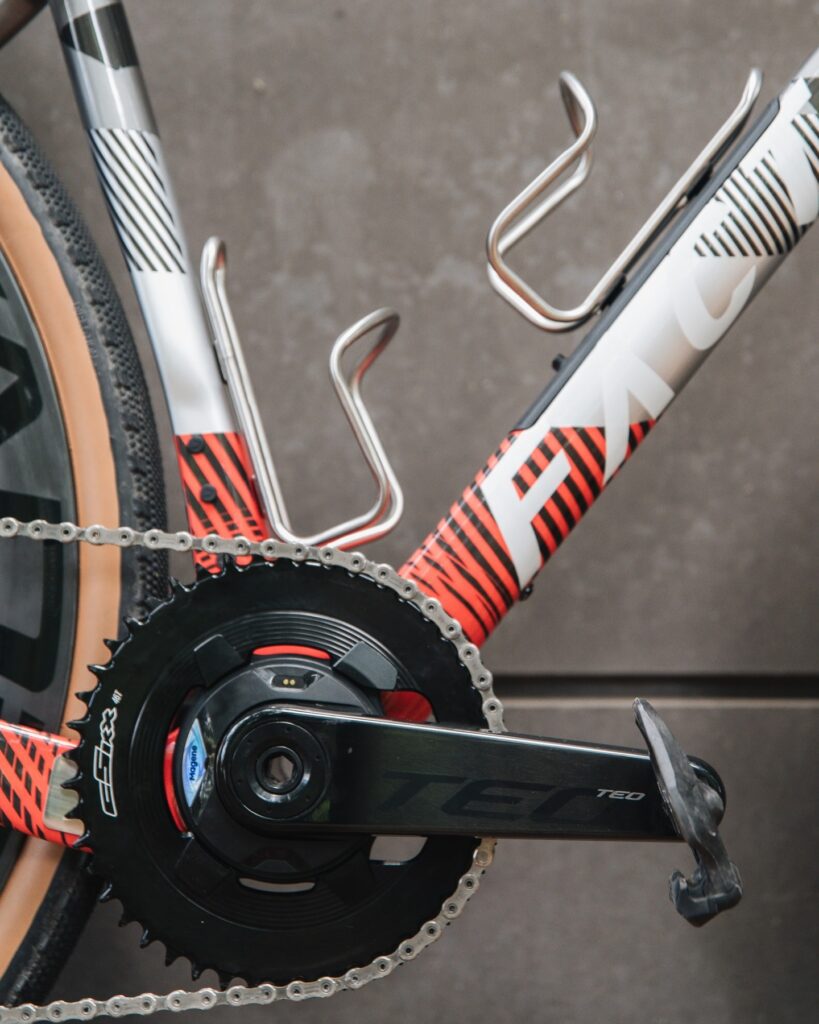
Weight is always an easy number to focus on, but it’s only part of the story. Removing weight from the crankset reduces rotating mass, something riders are more likely to notice during repeated accelerations than simply climbing at a steady pace. The spider itself houses the strain gauges and accelerometer responsible for measuring power, while Magene’s temperature compensation system is designed to keep readings consistent from -10°C through to 50°C. Claimed battery life is another standout, stretching to 330 hours, meaning most riders would only be reaching for the charger a handful of times each season.
Or maybe pedals make more sense
Not everyone owns just one bike anymore. It’s increasingly common for riders to split their time between a road bike and gravel bike or perhaps keep a dedicated race bike alongside a winter trainer. That’s where pedal based power meters have carved out their niche. Instead of buying multiple systems, you simply move the pedals across and take your power meter with you.
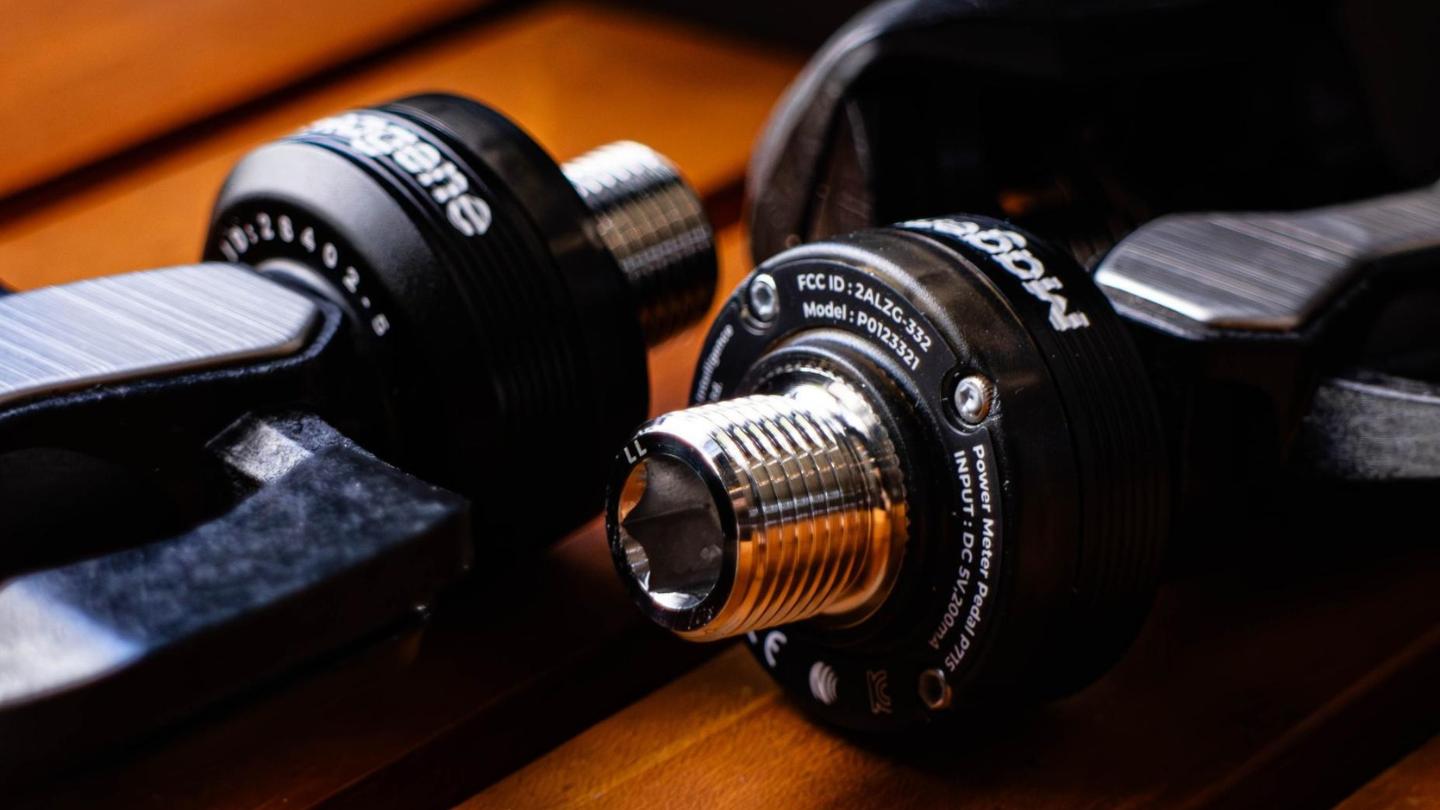
The P715 has been built around exactly that idea. Installation is no different to fitting a standard set of pedals and, once they’re tightened up, you’re ready to ride. More importantly, every bike is recording data from exactly the same power meter. That removes one of the small variables that can creep into long-term training when different bikes are fitted with different devices.
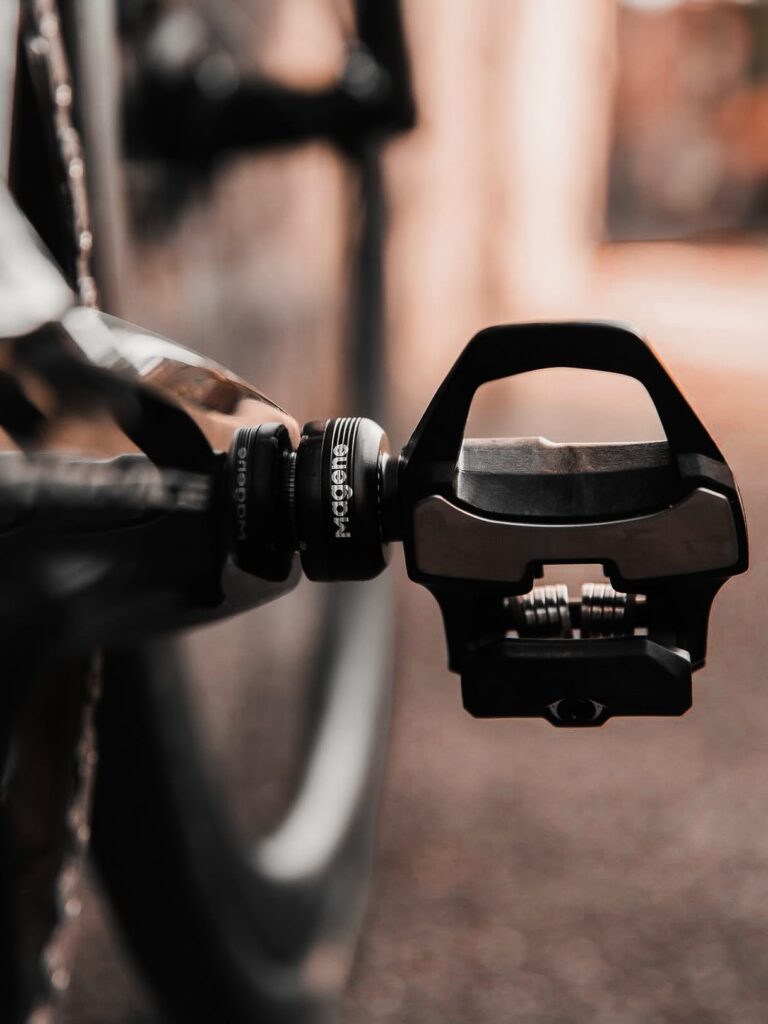
The P715 has been designed with practicality in mind. Available in both Look KEO and Shimano SPD-SL compatible versions, the pedals use carbon composite bodies with precipitation-hardened stainless steel axles while maintaining a standard 55mm Q-factor and low stack height, meaning most riders won’t need to make significant changes to their bike fit when swapping across. Claimed battery life sits at 120 hours, charging is handled via a magnetic connector, and the entire system carries an IPX7 waterproof rating to cope with wet training conditions. Meanwhile, both the TEO P515 and P715 support ANT+ and Bluetooth connectivity, making them compatible with the majority of cycling computers, indoor trainers and training platforms currently on the market. The TEO also includes automatic, manual and back-pedal calibration options, while the P715 can simultaneously connect to one Bluetooth device alongside unlimited ANT+ receivers.
So, who’s the winner?
Neither option is objectively better; they’re simply aimed at different riders. The TEO P515 will appeal to cyclists building a dedicated performance bike who value low weight, long battery life and a clean, integrated setup. The P715, on the other hand, makes more sense for anyone with multiple bikes or those who want the ability to move their power meter between different bikes quickly.
You can find more information here.